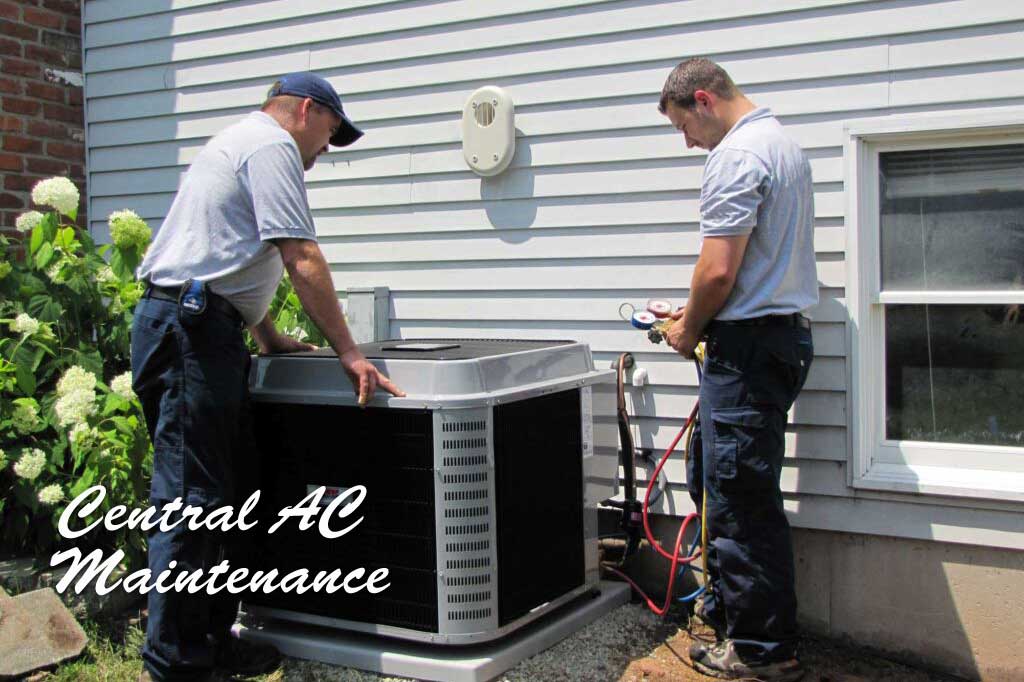
Keeping your air conditioner running in top condition is crucial to the comfort of your home, especially if you live anywhere in Arizona. To ensure your air conditioner is always in good condition, AC maintenance must be done regularly. If you’re not so sure about that, well, we listed reasons that will definitely change your mind.
AC Maintenance Prevents AC Failure Surprises
Don’t want surprises? Well, an AC failure is a surprise you wouldn’t like, especially during the hot summer months. AC maintenance prevents such from happening.
You don’t want to leave things up to luck and hope and pray that all is well with your air conditioner. Instead, you want to do pre-season AC maintenance and try to identify anything that is wrong with the unit or could potentially go wrong.
A big surprise mid-cooling season means the inconvenience of having an extremely hothouse. By “inconvenience,” we meant to say “horrific experience.” If you live in Arizona and you’ve ever had your AC completely out after coming home from work one evening, then you know exactly what we mean.
The Arizona weather is not friendly to anyone in the summertime. It can be downright brutal. So it’s best to have an HVAC technician clean, tune-up, and maintain your unit. Neglecting to do so is like gambling with your comfort. If you want to gamble, go to a Las Vegas casino instead. The problem with that is you know the old saying, “The house always wins.”
AC Maintenance Lessens Unplanned Repair Expenses
AC preventive maintenance helps prevent unplanned expenses. If you know ahead of time that your AC unit has a problem, then you can actively plan to get it repaired or maintained. I like surprises as much as the next guy, but when it comes to AC units breaking down, that is definitely not a surprise anybody wants.
AC repairs in Arizona can set you back anywhere from a couple hundred dollars to a couple thousand. When your AC is down, you have no choice but to get it fixed, unless you’re willing to pay for the consequences.
Preventive maintenance helps those unwanted expenses, so be proactive and start scheduling your air conditioner’s next maintenance.
AC Maintenance Extends the Life Expectancy of Your Air Conditioner
The life expectancy of your AC unit really stems from two main factors.
The first factor is the quality of the installation performed by the installing AC contractor. The second factor is how well the AC unit has been maintained throughout its life.
If you’re reading this article, chances are you probably already have an AC unit at home so you can’t do anything about the first factor anymore. You can’t uninstall your AC, but you can do something about the second factor.
You see, AC maintenance is extremely important that it will at least double the life of your unit, probably more if done correctly and routinely. Unfortunately, we tend to have the problem of “out of sight, out of mind,” and we forget that there are mechanical pieces of equipment keeping our homes comfortable 24/7. We don’t really think twice about it until there’s a problem.
Having a problem with your AC unit and bearing the cost to fix it is a big problem, but at the same time, it also shortens the life expectancy of your equipment and that is far more costly than the actual repair itself. We all know air conditioners are not cheap. The longer we can make them last, the better off we are.
AC Maintenance Lowers Utility Bills
Without AC maintenance, your air conditioner will cost you more money. Electric bills during the summertime in metropolitan Phoenix range, on average, $400 t0 $500, even $600.
As an HVAC contractor, We talk to homeowners all the time about their electric bills. We’ve seen bills as high as $1,300 a month. That’s why they call us out to do AC maintenance. Is AC maintenance a magic bullet? The answer is no, but there is definitely a correlation between AC maintenance on your unit and the cost of your utility bill.
A basic maintenance can run you $60 or $80. Heck, even if you find an expensive one for $100, it’s still more than pays for itself. Look at it like this: you’re going to spend the money either way. You’re going to either spend it on electricity or on AC maintenance.
The smart money is on AC maintenance. If you see AC maintenance from an investment point of view, you will have AC maintenance done on your equipment every single cooling season. It’s one investment that will never lose value.
AC Maintenance Brings More Comfort to Your Home
When we talk about comfort, we’re really just talking about feeling good or not. Well, to feel good in your home, the AC unit is designed to the specifications and size of your home and must be in proper working order.
If your AC unit is not maintained properly, this will cause either too long of a run cycle or too short of a run cycle. The run cycle is the time your thermostat tells your AC unit to come until the time it tells the unit to shut off. When the unit is running at the proper amount of time (correct run cycle time), it is working to cool your home but the thing that actually makes you comfortable is the removal of the humidity. This can only be achieved by having a clean indoor coil that allows proper airflow and heat transfer .
AC Maintenance Improves Air Quality in Your Home
Who wants quality air in their home? Everyone does, it goes without saying. This cannot be accomplished without proper and regular AC maintenance. Here’s why
The air flowing throughout your home gets cooled by passing through the part of the air conditioner called the air handler, which contains the indoor coil a.k.a. the evaporator coil. This is the part of your system that requires the most maintenance; this is where the air goes after it passes the filter.
The indoor coil is somewhere homeowners never see and for good reason. They are usually located in an inaccessible location tucked away in a basement or attic. They are dark, wet, and serve as a collection point for bacteria and germs. These coils MUST be maintained by a professional. This area should be cleaned and sanitized on a regular basis. This aspect of AC maintenance directly affects the quality of the air you breathe.
These are just a few of the reasons why AC maintenance is important. After reading everything above, you should now clearly understand what the benefits of AC maintenance are.
To recap, AC maintenance saves you from unexpected breakdowns, unplanned repair expenses, a shortened unit life expectancy, unnecessary utility bills, having high humidity (uncomfortable feeling) in your home, and last but not least, breathing unclean or unsafe air.
AC maintenance is like many things in life: the more you put into it, the more you will get out of it.
Contact your local air conditioning maintenance company to schedule your routine maintenance today. You’ll be glad you did.
Like air conditioning systems, the furnace is one of the most forgotten pieces of equipment at home一that is, until it stops working properly or stops working altogether. It then becomes a must-have for safety and comfort at home.
Everyone wants quality airflow that is evenly and consistently distributed at home. Unfortunately, much like air conditioning units again, your furnace will inevitably run into problems and will need maintenance and repair. Thus, keep the name and the contact number of your HVAC contractor or technician. Before you call them, there are troubleshooting tips that you may want to try.
Fortunately for homeowners, not all air conditioning and furnace problems are a major cause of concern. Sometimes a heat system issue can be fixed with the help of a user manual and some DIY initiative. However, and this should not be taken lightly, always err on the side of caution. If, for whatever reasons, you think your safety is at risk or you’re not knowledgeable enough about furnaces, call your trusted furnace repair technician ASAP. These technicians have the tools and the experience and expertise to address any furnace issue.
Here’s a list of things you want to check before calling your HVAC technician.
Check the switches
Step 1. Starts off with the easiest: power supply. Whether it’s a furnace service problem or an air conditioner without cold air, check for power supply.
A lot of homeowners forget about this self-explanatory step. Just because the rest of your house has power going on doesn’t mean your furnace has power too.
Furnace switch
A furnace switch may be located on the unit itself or on a nearby wall. Because it looks like a regular light switch, it could be turned off by accident. That may be why there’s no heat from your furnace. Simply put the switch in the On position and you’re good to go.
Furnace circuit breaker switch
Locate the furnace circuit breaker on your breaker panel and make sure it’s in the On position. Your furnace will not function if the circuit breaker is off or when the furnace circuit breaker trips.
A circuit breaker is a safety feature. It’s there to shut off electric current when things go bad with your furnace. If your circuit breaker trips a number of times, that’s a sign something more is going on and you need to call in the professionals to fix the problem.
Limit control switch
“Furnace blower fan limit switch” is quite a mouthful for one switch, but basically, it tells you what the switch is for. Limit switches are safety components in furnaces.
A limit control switch controls the furnace blower fan and turns it on or off depending on the temperature of the furnace. When the temperature is too high, this safety switch will shut off the furnace to avoid overheating.
Turn on the switch if you see it in the Off position. If goes back off again, you’re in for more repair that you can probably handle so call your HVAC technician right away.
Furnace door
Take a look at your furnace door. For safety reasons, a modern furnace will not work if the furnace door is not completely closed. Some units have a switch that the door presses when it’s properly shut.
Simply close the furnace door properly and observe your unit. Some homeowners have noticed the door will slightly open again. If that happens to you too, that’s a sign you need professional repair.
Thermostat
The thermostat determines how much heat is needed by the furnace to function properly. It signals to the furnace to start the heating cycle. It’s a rather simple component but is also one of the most important in a heating system.
The thermostat prompts the furnace to produce heat, which becomes the warm air that circulates around the house. Without the blower motor, air cannot push through the vents. When there is enough warm air in the house or the thermostat reaches its preset settings, the thermostat again sends a signal to the furnace.
The thermostat is an easy furnace part to troubleshoot. It basically involves its setting and its batteries.
Setting
Make sure the thermostat is set on “Heat” and it’s at least 5 degrees above room temperature.
Batteries
If your furnace thermostat runs on batteries, see if it doesn’t flash a low-battery indicator. Batteries on a thermostat don’t last forever. Ideally, a thermostat battery should be replaced every year.
Air Filter
A clogged filter will result in restricted air flow, which will drop the efficiency of the furnace. Clogging happens when the filter accumulates dust and debris. This accumulation will block warm air, reducing the heat in your home.
Cleaning air filters is an easy HVAC maintenance problem you can fix at home. Simply locate your filter and clean it. If the filter has too much dust and debris, it may be time to replace it.
Removing the debris caught in the air filter should be done regularly to avoid clogging. When the air filter is clogged, the blower works harder to overcome the clogging. One small problem will then result in a bigger problem.
Too much strain on the blower motor will cause overheating and bigger electric consumption. Worse, it will shorten the lifespan of the component.
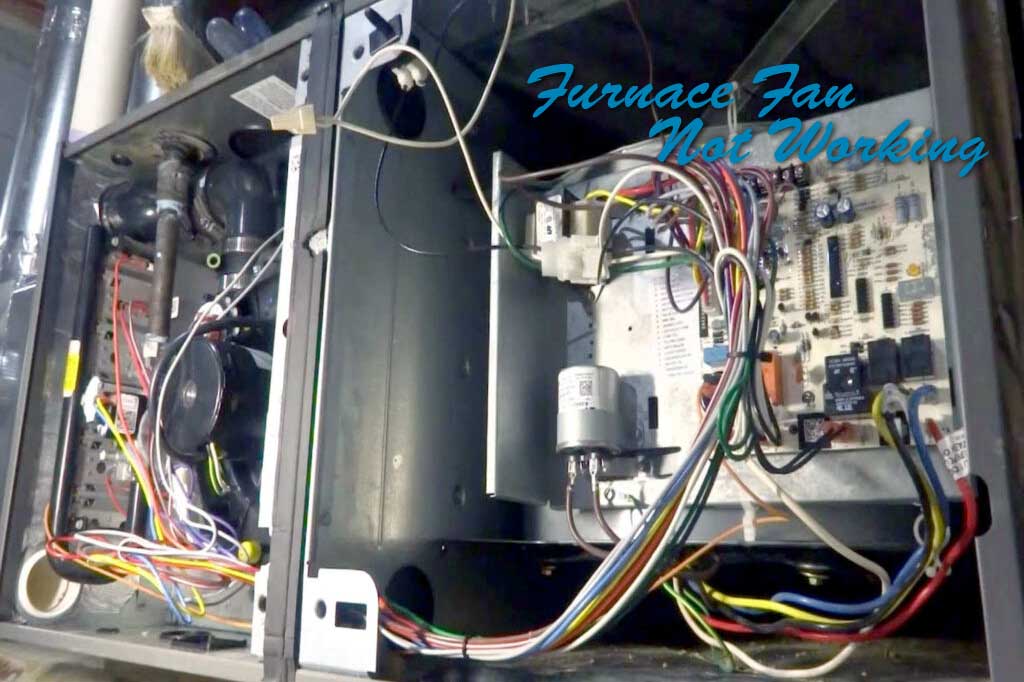
Furnace blower motor and blower fan
The terms blower and fan are often used interchangeably. Basically, both furnace blower and blower fan are used to move air in the HVAC system with the help of the run capacitor. The run capacitor gives the blower and the fan a steady stream of electric energy to keep them running. When the furnace blower motor and the blower fan need repair, you have to call the experts. However, it’s good to know the signs that indicate whether or not a blower motor is faulty or a blower fan needs special attention.
The blower motor and blower fan are important. They are there to overcome the flow resistance of components like pipes and ducts. When either one or both blower motor and blower fan get clogged, this will result in poor air quality and insufficient air flow. How do you know if one of them is the problem?
One, you notice a burning smell. This indicates the fan belt or the fan motor is overheated. Turn off the unit immediately to avoid further damages, and then call your technician. Two, you hear strange noises. Blower fans and blower motors make noise, but when they sound out of the ordinary, you need to call for repair or maintenance right away. When there is insufficient air flow, either of the two components may be obstructed and you finally have to call for help.
Flue Vents or Flue Pipes
Next on the list are flue vents. The flue vent is a pipe or a duct that used to release combustion gases or exhaust. These gases are the by-product of the heating process.
You may have to make a service call to your HVAC contractor if your flue pipe is obstructed, broken, or leaking, but there are troubleshooting tips that you can first do on your own.
Check if there is water leaking from the flue pipe. While you’re at it, check if there is rust in the pipe and if there is soot in your furnace. Those are signs that something may be wrong with the pipe. Soot may also indicate that your heat exchanger has cracked or malfunctioning.
The flue pipe is responsible for removing hazardous gases, like carbon monoxide, from your heating system and releasing them into the atmosphere. When the flue pipe is the issue, you have to call your HVAC technician for immediate repair.
Gas Supply
Unlike heat pumps, your furnace probably uses gas to function. Hence, check if the gas valve is On. Without gas supply, the furnace won’t work at all. If you can smell gas in the air, probably due to a leaking gas pipe, get out of the house immediately and call your gas company.
Vents
Look around your home and see if anything is blocking the air vents. Sometimes big pieces of furniture obstruct the vents so that air can’t circulate properly. This is one simple thing that you should check before calling an HVAC technician for repair. The issue may be staring you in the face
Safety Reminders
Always keep safety the top priority. Make sure to turn off your furnace, air conditioner, or any electric device when troubleshooting to avoid safety hazards.
Refer to the user manual. OEMs expect an HVAC system or a part of it to eventually go bad. Almost all the important things you need to know about the motor, blower, capacitor, fan, furnace control board, heat pump, heat exchanger, and other components in your HVAC system are detailed in the user manual.
Without a user guide, go to the manufacturer’s website with your HVAC’s model number and see if you can find available references.
Signs you need HVAC techs pronto
A little homeowner knowledge helps every now and then, but if you’ve tried everything in this article and your furnace is still not working properly, don’t prolong your bad experience and suffer from cold air.
Bring in the professionals immediately when any of the following occurs:
No heat nor warm air from the furnace – If after all the troubleshooting you did you’re still left with cold air, ask your trusted furnace expert to check your unit.
Your unit is short-cycling- In our recent posts, we talked about short-cycling in air conditioning units. The same is true for furnaces: the unit powers on runs for a short time, then shuts off completely. When this happens, call a professional to solve the problem once and for all.
You can smell gas – A leaking gas pipe is a disaster waiting to happen. Leave your house immediately the moment you smell gas and call your gas company before calling the HVAC experts.
Every furnace will show signs of wear and tear. Although it’s quite an accomplishment to fix things on your own, know when to call the pros. As they say, if symptoms persist, consult your technician. When comfort and safety are at stake, think fast and act fast.
Before you tinker with a malfunctioning air conditioning unit, you have to understand that some issues need the intervention of your AC Technician or local trusted HVAC company. Understandably, you don’t want service fees when you can resolve the cooling problem on your own, but where do you draw the line?
Knowing when to make a service call and knowing what a real air conditioning emergency looks like will save you precious time and effort. It’ll make a huge difference in your safety and comfort at home too.
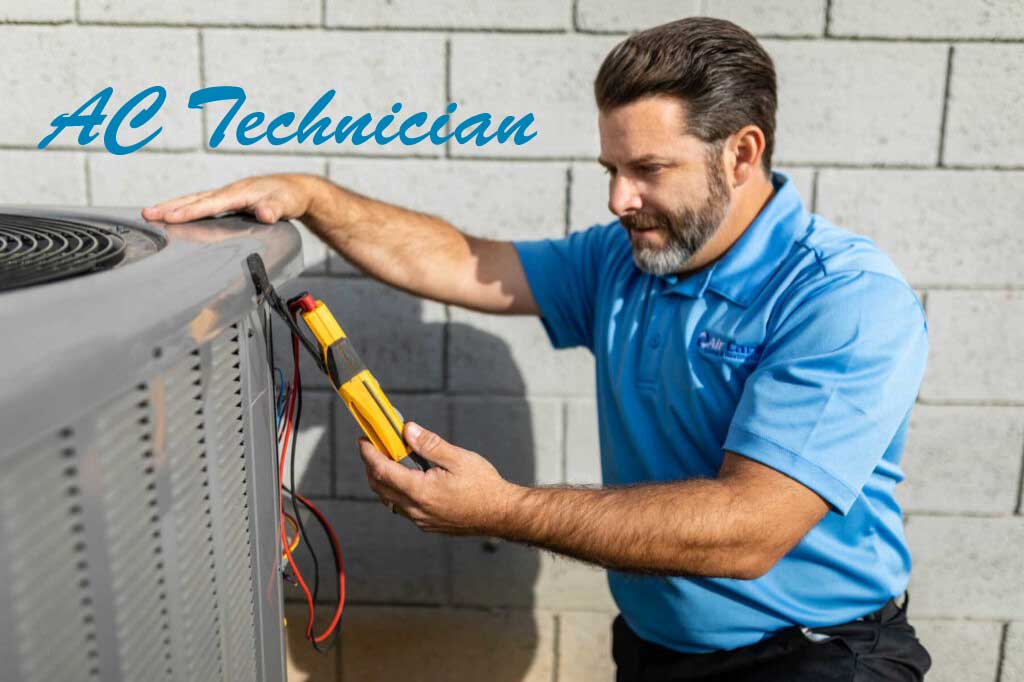
Here are 5 signs that you need an AC technician immediately. When you notice any of these 5 signs, forget flexing your DIY power. Go ahead and make that phone call to your AC technician.
Strange Noises
Most air conditioning systems make low-level noises once it’s “waking up” to start or winding down to shut off. These noises are tolerable and to be expected. However, loud, shrieking sounds are sure signs you need an expert to take a look at your unit.
The annoying noises may be due to loose parts, a malfunctioning or broken compressor, or a leaking refrigerant. These are issues you can’t fix on your own, providing of course you aren’t an AC expert.
When not fixed as soon as possible, the underlying cause or causes of these strange sounds will lead to more serious cooling issues. Before that happens, have a professional repair your unit.
Insufficient Air Flow
A weak stream of cool air from AC vents can put a damper on anyone’s day. It can quickly escalate to a life-threatening scenario especially during the height of summer and in a household where someone has a medical condition, like hypertension.
If your filters aren’t clogged and your vents aren’t obstructed, call an AC technician as soon as possible. A frozen evaporator coil, a malfunctioning blower, or a hard-starting compressor may be the culprit. This condition can be prevented when proper and routine AC maintenance on the equipment is performed.
Bad Smell
The most common causes of unpleasant smells from an air conditioning unit are leaking gas, burnt or burning components, leaking refrigerant, molds, and stuck dead pest or animal. Any one of these will emit an unmistakable unpleasant smell.
Removing a stuck dead animal or a rotting carcass from your AC’s duct work may be something you can fix yourself. Pest-proofing your equipment should be done after so the same disaster doesn’t happen again.
For other issues, there’s no other way out. You have to call an AC specialist. When the refrigerant leaks, it emits hazardous chemicals into the air, which are just as dangerous as the gases from malfunctioning exhaust pipes.
When the AC smells like burning plastic, turn it off right away and call an HVAC technician.
Warm Air
Warm air from your air conditioning unit may be a simple case of incorrect thermostat setting or poor air circulation due to clogged filters. However, it may also be an indication of a more serious problem that requires the attention of an HVAC professional.
A leak in the refrigerant system or a dirty condenser coil are common causes of warm air from your AC.
Air Conditioner Leaking Water
Frequent Water Leaks
If not taken care of immediately, leaking air conditioning equipment can cause other major problems, not just on the HVAC system but on ceilings, walls, and other parts of the house. That’s why you need an AC technician’s help. If you can’t trace the cause and fix the leak completely, don’t wait for further headaches before booking a home service appointment.
Dealing with a faulty air conditioning unit is not a pleasant experience. It can be costly and stressful, not to mention potentially hazardous to your health. Your best defense is always proper and regular AC maintenance. Fix small issues before they balloon, but when they do get out of hand, take action immediately by calling in professional AC technicians.
Always deal with a highly rated local HVAC company that is licensed -bonded-insured. That way you can ensure all their technicians will be of the highest caliber.
When you have to have a technician perform AC repairs or maintenance please make sure he is a certified pro.
Everything you need to know about HVAC hard start kits.
If you have an air conditioning system at home, you’ve surely heard of the term “HVAC hard start kit” before and you’ve most probably wondered if you need one.
What exactly is a hard start kit and how does it help your air conditioner at home?
Here’s the lowdown on everything you need to know about HVAC hard start kits, compressors, and the best long-term solution to your hard start problems.
What is a hard start kit?
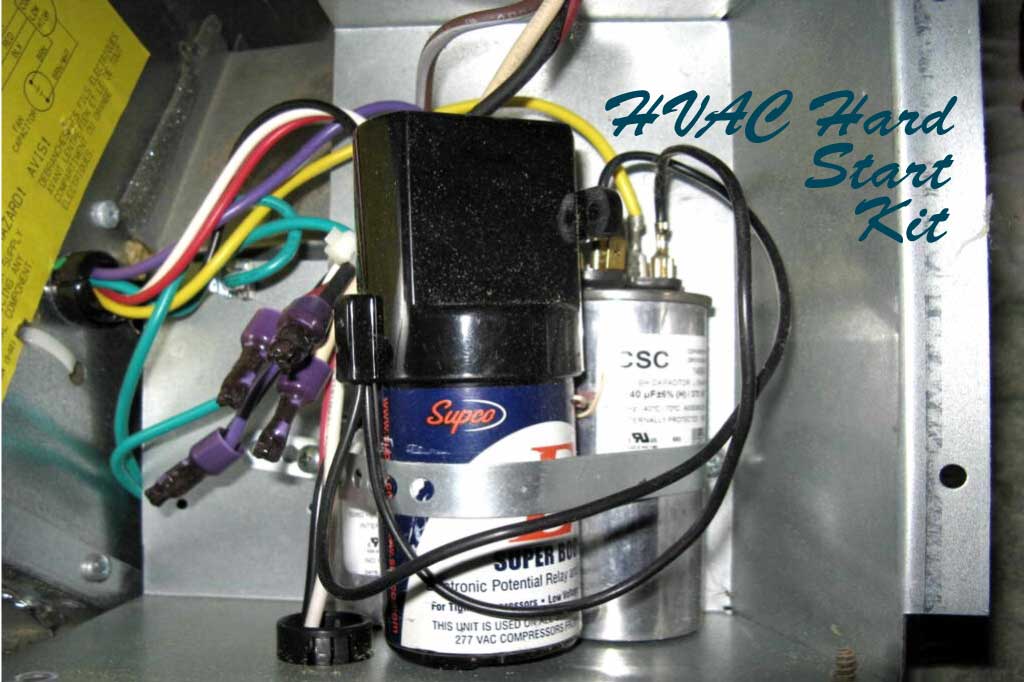
A hard start kit is a start capacitor. It’s a device used to resolve an air conditioning system problem called hard starting. To understand how a hard start kit works, first you should have an idea how a compressor works during AC startup.
Essentially, the compressor is the heart of your air conditioner. It powers the AC. It’s the hardest working component of an AC unit. The moment it starts the cooling cycle, you usually hear its whirring sound.
As the compressor increases the pressure and the temperature on the refrigerant, the metering device reduces the same pressure and temperature on the refrigerant. Basically, the metering device is responsible for the amount of refrigerant that flows through the system.
It reduces the electricity used to power up the air conditioning system.
It reduces the startup period of the compressor.
Without a start capacitor, it takes the compressor four to eight times more electric current to start than to keep running. That surge of power causes the electric current to spike during startup, causing excess heat that may damage not just the compressor but other AC components as well. Old and worn units are especially prone to damages caused by electrical surges.
Without a start capacitor, the compressor has 50% torque efficiency, but with a hard start kit, torque efficiency drastically increases to 98%. With high efficiency, the compressor motor takes a shorter time to shift from start mode to run mode and the transition is smoother, prolonging the life of your cooling system.
Doesn’t it make sense then to install a start capacitor into the HVAC system? It does. In fact, manufacturers used to produce air conditioning units with built-in start capacitors, but the practice has been discontinued to decrease production costs.
What causes hard starting?
There are several reasons why an air conditioner experiences a hard starting problem. Knowing them may help you find the solution even before you call an expert in air conditioners.
The capacitor may have lost the ability to store temporary voltage for the motors of the unit. Without enough voltage, it can’t send enough power to the motors that start up the compressor and keep it running.
Heat does this to the capacitor, and when the capacitor starts failing, you will usually hear a clicking sound upon starting up your AC.
Worn down compressor motor due to loss of lubrication is another cause of hard starting. Without proper or enough lubrication, the compressor tightens up and has difficulty moving.
Hard starting may also be a sign that the air conditioner is worn down and ready for replacement. This can easily be discovered when you regular AC maintenance check-up. Sometimes replacing a hard starting air conditioning system is more cost-effective than getting it repaired over and over.
What are the signs of hard starting?
How do you know if your HVAC system is hard starting? What are the signs you need to look out for?
Short-cycling is one of the signs you should be aware of. When a compressor starts to short-cycle, it starts up, runs for a short time, then shuts off. This means the compressor doesn’t have enough stored energy to power the AC and cool the house.
If your AC is making louder noises than usual or if you hear clicking noises, that’s a sure indication that you need to call a top-rated HVAC contractor ASAP. A service call will tell you that your AC may be hard starting.
Short cycling and too much strain on your compressor lead to a spike in electric consumption. Many customers have discovered that hard starting always means bigger electric bills.
Call your technician once your AC begins hard starting.
Who needs a hard start kit?
An air conditioner needs TLC just like about everything else in your home. Before your compressor starts showing signs of wear and tear, let HVAC experts service your AC for tuning up and maintenance.
Do you need a hard start kit?
You need a start kit if
you want to prolong the life of your air conditioner
your compressor is showing signs of hard starting
your circuit breaker trips
you want your AC to start smoothly even when there is low voltage or high head pressure, and
you want to avoid unnecessary repair and/or replacement expenses.
What are the different types of hard start kits?
Older AC models are usually equipped with start devices, but when they show signs of wearing down, a hard start kit may come in handy. For newer AC models without a built-in start kit, the compressor manufacturer or OEM usually specifies the type of capacitor suitable for the model.
It may be either one of the following:
PTC hard start kit
The PTC (positive temperature coefficient) is a 2-wire hard start kit that uses a ceramic component to remove the capacitor out of the circuit. As the PTC component heats up in less than a second, the capacitor is taken out. PTC kits are considered more convenient because of their 2-wire feature, which helps with easy installation.
MPR hard start kit
With the help of electro-motive force, the mechanical potential relay hard start kit takes the capacitor out of the circuit once the compressor is at 80% of its capacity. Most technicians find this kit more reliable thus it is often the recommended type.
If you have the phone number of an AC technician, give him or her a call so he or she can guide you in choosing the right hard start kit.
What are the benefits of a hard start kit?
A technician will tell you that the benefits of a hard start kit outweigh its disadvantages. With a hard start kit you
remove the strain of excessive electric current on your systems
prolong the life of your HVAC systems
significantly reduce electric consumption
decrease instances of flickering lights
avoid circuit breaker trips, and
avoid untimely repairs and replacements.
In essence, your air conditioner and/or heating device needs TLC. That is what a hard start kit is all about.
How much does a hard start kit cost?
A hard start kit is relatively inexpensive. When you look at repair and/or replacement costs, buying a hard start kit is the most sensible thing to do. It beats the cost of hiring an HVAC technician to service your cooling system, and for a small investment, you’re ensured you won’t have to deal with a hard starting problem.
Regular maintenance fees for cooling and heating services usually scare off customers, but an air conditioner needs maintenance services if you want it running inconsistent top condition. A hard start kit is one way of taking care of your AC.
Conclusion
The startup of an AC system is a complicated process that all takes place in seconds. Those seconds affect the way your cooling device works and ultimately affects the air quality in your home. The best part is, you can do something about it. Taking proactive steps to lessen the strain on your system will make a huge difference, so if you don’t have a hard start kit yet, it’s about time you get one.
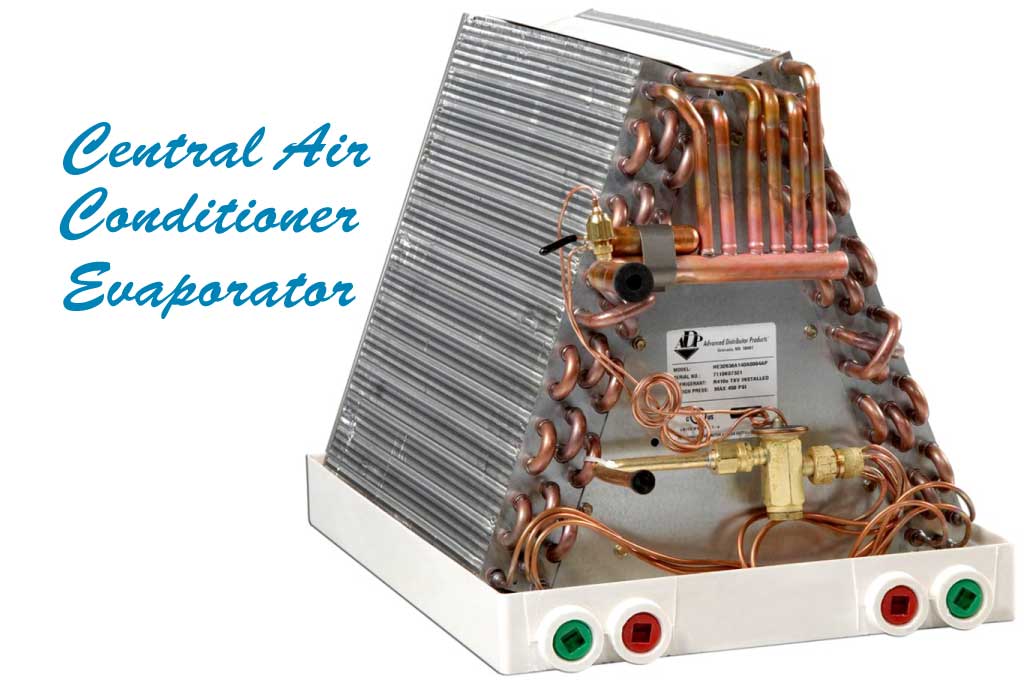
Did your local HVAC professional mention your central air conditioner evaporator and you’ve no idea what it is? In a nutshell, it’s actually what cools the air before it is blown into your room. A lot of homeowners can’t locate it easily because it’s enclosed in a metal case, looking like a bulk of copper coils that sits inside your unit.
Are you still confused? Here’s what you should know about AC evaporator coils.
The Basics
If you ever think that your AC primarily creates cool air on its own, think again. It’s not how it really works. Your unit removes heat from the indoor air. This is where your evaporator coils become handy.
Your AC’s evaporator coils have a refrigerant that absorbs moisture and heat from the indoor air. Then, it gets converted into cool, dehumidified air that gets released inside your home.
After that, the heat and moisture are carried all the way to the condenser, dumping it into the outdoor air.
AC Evaporator Maintenance
Now that you know how the process works, it’s time for aftercare. Your AC evaporator needs to be maintained, too. Otherwise, you might deal with further problems that won’t only affect your evaporator but also the whole unit. Here are three maintenance tips you can do at home.
Replace Your Filter
Checking your filter once a month is highly recommended. And if you’re using your central air conditioner more often, especially during the summer months, it’s time to change it.
Keep the Vents Open
Make sure that all the air vents in your home remain open. What happens is that the blocked ones will restrict airflow in your AC system, causing a lack of warm air. This will eventually keep the cold coils frosted which aren’t good for your AC system. Warm air is necessary for your unit to function properly.
Keep Your Evaporator Clean
Your central air conditioner evaporator should remain clean. Dust and dirt can affect the heat transfer process. When left unattended, you’ll notice that your AC is no longer cool enough, your energy bill increases, there’s more wear and tear on the unit, and ice builds up on the coils.
Cleaning them should solve and even avoid these problems. Access the evaporator on the indoor unit. Wipe all the dust, dirt, and other debris with a soft brush or cloth. You may also use a commercial cleaner to speed up the process. If there is larger debris to get rid of, you can use compressed air.
Opt for Maintenance
Preventive maintenance is an essential part of your central AC aftercare. Your HVAC professional does it. Once you call them, they will come over to your home and replace the air filter if necessary, check your evaporator, spot some potential issues like refrigerant leaks and fix them before they turn out to be bigger problems.
Key Takeaway: Central AC Maintenance
Maintenance is a great investment that will increase your central AC’s lifespan. Aside from cleaning your unit, this will also help you diagnose problems that might cost you a lot more money later on.
When in doubt, don’t hesitate to reach out to an HVAC professional. Got questions? Call us today and we’ll get back to you immediately.
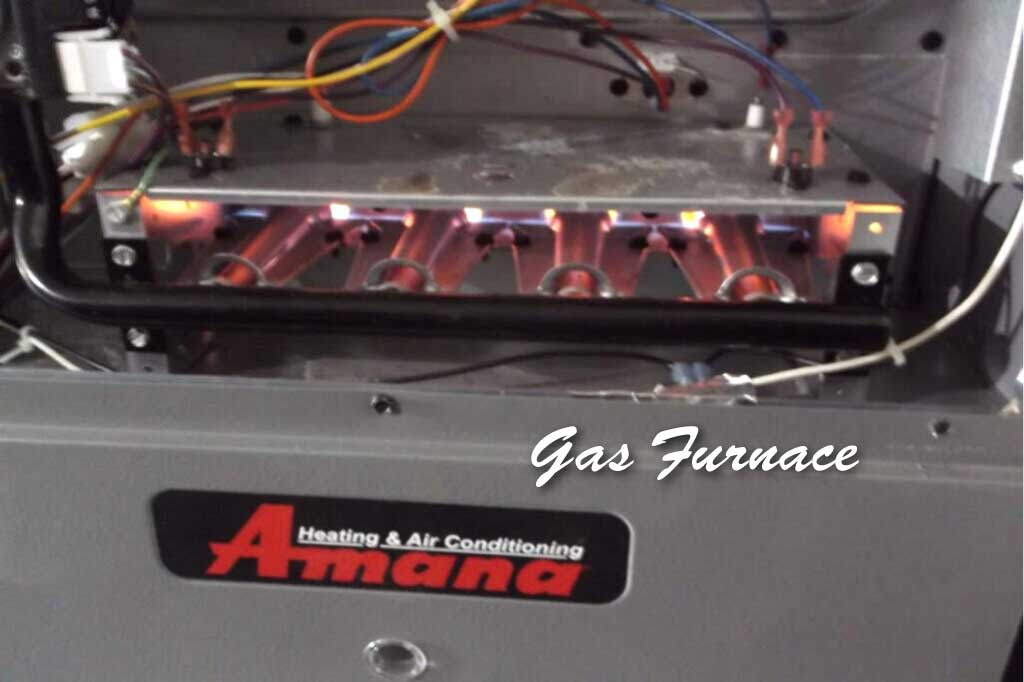
Have you ever become frustrated on a cold winter day as your furnace keeps shutting off? It even becomes worse if it lights up for a couple of minutes then instantly loses its flame on its own. There are several reasons why this happens. While you can simply call an HVAC professional to sort it out, it’s actually best to figure what causes this issue. Here are several reasons why your gas furnace won’t stay lit.
How Your Furnace Ignites
For starters, you might wonder how your furnace works and provides warmth to your home. There are actually two types of furnaces that households have.
A direct ignition furnace works by relying on a thermostat when to heat up, the fan turns on, and the gas valve proceeds to turn on the burner by blowing gas.
A furnace with a pilot light also works similarly, except that you have to turn the pilot light on your own first. This an old type of furnace, so turning it on works manually.
Situation 1: The Pilot Light Ignites, But Doesn’t Stay Lit Before Lighting Burner
Malfunctioning Flame Sensor
The flame sensor gives a signal to the furnace that the gas is already lit. This comes in handy since it prevents the furnace from continuously allowing gas to flow into your room. Once it malfunctions, it will indicate your furnace to do the opposite, even when the pilot light is out. If this is the main culprit, your flame sensor needs to be replaced immediately.
Wrong Flame Sensor Positioning
The flame sensor might work, but it’s positioned poorly on your furnace. This might not detect the pilot’s flame accordingly.
Bad Ignition Board
The ignition board is responsible for controlling the gas flow. Once it malfunctions, the ignition sequence is affected, and your gas furnace won’t stay lit.
Limited Gas Pressure
If the amount of gas pressure is not enough, it will affect the thermocouple. You can only sort out this problem by adjusting or replacing the gas valve.
Situation 2: Burner Lights Up Before Heating Your Home
Overheating
Once the heat exchanger gets hotter, your gas furnace will also overheat. This is typically caused by closed vents and dirty filters. Remember that you have to open your air vents, even inside unused rooms, and change your filters regularly.
Malfunctioning Limit Switch
The furnace’s limit switch is no longer working properly. If this is the case, it needs to be replaced.
Inaccurate Temperature Reading
Your thermostat might be the main culprit by indicating that your house is warm enough. This shuts down the burners immediately.
Poor Flame Sensor
If you have a direct ignition furnace, a poor flame sensor won’t detect a flame, causing the burner to shut off on its own.
Key Takeaway: What to Do?
A lot of households rely on gas furnaces as their main heating source. The tips mentioned above can be a great help to diagnose the main problem. And once you’ve figured out where the issue comes from, it’s time to call your local heating professional.
A repair expert can provide the right advice and consider repair or replacement services. Once fixed, your gas furnace will stay lit, keeping you warm and cozy inside your home. Got questions and concerns? Our team is ready to help. Call us today!