Many homeowners regard heating and air conditioning preventive maintenance agreements (PMAs) as expensive and unnecessary. But what if, by investing Read more
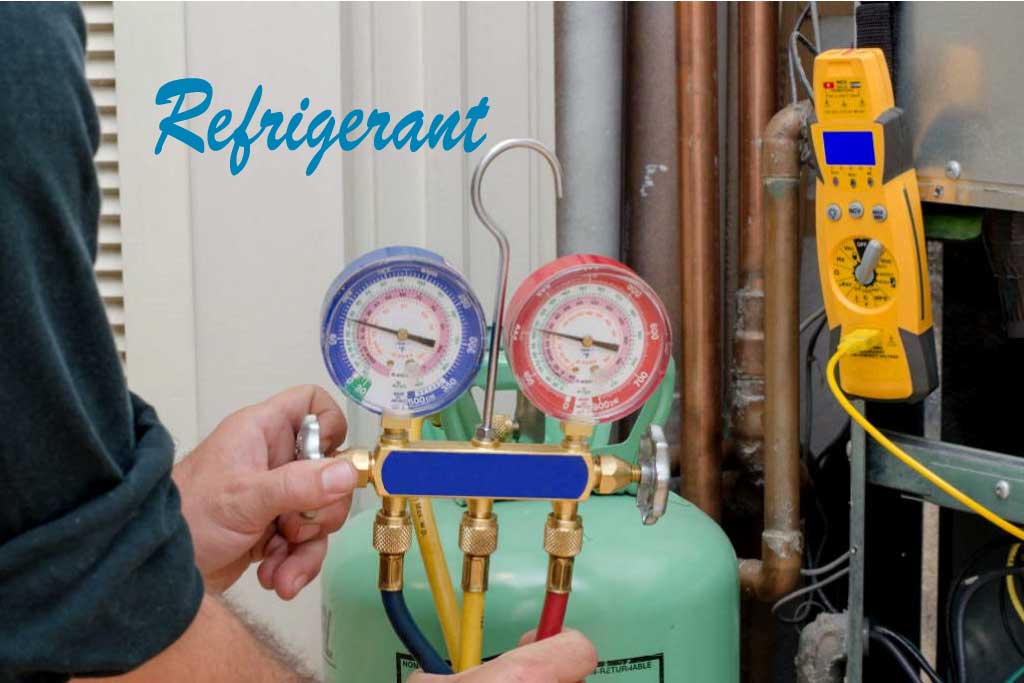
Have you ever had to recharge the refrigerant of your air conditioner? Or have you bought two pounds or more of R 22 refrigerant recently? If you said yes to any of these two questions, chances are, you were in for an unpleasant surprise when you received your bill. You probably felt ripped off by your service company.
Well, no one can blame you. Every homeowner who had to charge or refill their R 22 refrigerant within the last five years or so felt the same way you did. How can a simple refrigerant charge or a small amount of R 22 to refill an AC unit cost too much, right?
The price of the coolant Freon or R22 refrigerant has been steadily increasing over the years, with no sign of hitting a plateau any time soon.
Why Is Refrigerant Important?
Since its invention, the refrigerant has revolutionized how we cool residential and commercial spaces every day using air conditioning systems. To say that refrigerant is an important part of air conditioning systems is an understatementㅡit is the reason why air conditioning takes place. Without the refrigerant like Freon, the air conditioning process wouldn’t be possible at all.
As you probably know, air conditioners do not create cool air. It is the refrigerant, as the life-blood of the air conditioning system, that absorbs heat and releases it outdoors as the refrigerant changes from liquid to gas and back.
A refrigerant is neither gas nor liquid. It changes states depending on its temperature and the pressure applied to it at any given time. The refrigerant is a compound that readily absorbs heat from the environment. The compressor turns liquid refrigerant into a high-pressure gas. As the refrigerant travels through the evaporator coil, it absorbs heat, which it then releases outdoors through the condensation process. This may sound simple, but it’s actually one of the most complex processes involving air conditioners.
Every home with an HVAC system, including a heat pump or air conditioning, relies on the refrigerant for cooling solutions. When something is wrong with the refrigerant, it affects the whole heating and cooling system. Finding the right technician to inspect and repair the refrigerant of your HVAC system for leaks, ice, or low charge has gotten challenging and expensive too, as there are now fewer and fewer qualified technicians with clearance to meet the labor demand.
Why does a refrigerant cost so much?
EPA Regulation
About thirty years ago, by virtue of the Montreal Protocol, it was discovered that Freon, the registered trademark of R22 refrigerant, is harmful to people and the environment. The toxic substance is odorless and tasteless, but when released in the air, a small amount can be extremely dangerous.
When Freon leaks, people who breathe in the substance experience difficulty breathing as the coolant blocks life-giving oxygen to vital parts of the body. In fact, some news reported poisoning in residential places due to Freon.
It was also discovered that Freon releases harmful chemicals that contribute to the depletion of the ozone, one of the biggest challenges the modern world is facing until today. As a result, the Environmental Protection Agency or EPA ordered R 22 refrigerant to be phased out by gradually reducing its production in the United States.
Differences in Supply and Demand
In 2010, R 22 production was down to 75 percent. By 2015, R 22 refrigerant production was down to 90 percent. When you consider the lifespan of most air conditioners, which is typically 8 to 12 years in Arizona homes, it’s easy to see how a dwindling supply of R 22 refrigerant can cause a sharp price increase.
Homeowners with an HVAC system that runs on Freon scramble to find refrigerants at reasonable prices. When a refrigerant has a low charge, leaks, or ice, finding proper repair services with reasonable prices is just as challenging.
Based on the law of supply and demand, when the supply of a commodity is low and its demand is high, the price of the commodity skyrockets, and that’s precisely why refrigerants are now very expensive.
Stringent EPA regulations have discouraged fewer service companies from getting licensing clearance so that when homeowners need a technician to fix a refrigerant leak or refill an air conditioner with Freon, homeowners have limited options. Again, we see a disparity between supply and demand that leads to unreasonable prices.
With limited supplies in the market and limited licensed companies who can deal with R 22 refrigerants, you can expect the price of R 22 refrigerants to continue its upward trend.
How much does refrigerant cost?
While the environmentally friendly R 410a has steadily gained footing in the air conditioning market ever since EPA regulated the production of R 22, homeowners are still hard-pressed to charge or refill their older model air conditioner that functions on R 22. Obviously, homeowners want to maximize their air conditioner even if it runs on harmful Freon. These days, doing so comes at an exorbitant price.
It’s common for an air conditioner refrigerant to leak. Depending on the size and type of the AC unit, the average cost of recharging an air conditioner after a leak ranges between $200 and $700. However, owing to the low supply of Freon, the cost per pound of the substance may range from $80 to $300.
How to Avoid Costly Refrigerant Issues
As of 2010, AC manufacturers are required to produce AC systems pre-charged with R-410A, a more environmentally friendly refrigerant. As of January 2020, all production and importation of Freon have ceased. In addition, service companies are required special permits to deal with R 22.
What do these things mean for homeowners with AC systems still running on Freon? It means a more expensive R 22 refill or recharge for their air conditioning unit in the future.
The best way to avoid the ever-increasing cost of R 22 refrigerant or Freon is to upgrade your heating and cooling system at home. Today, you can easily install a heating and cooling system that runs on R 410A. While the upfront cost to upgrade can be disheartening, over the course of a few short years, it will prove to be a cost-effective step to enhance the efficiency of your AC system at home and avoid expensive R 22 charges.
What are the Advantages of a Refrigerant Upgrade?
Upgrading your heating and cooling system from R 22 to R 410A refrigerant has its advantages. Among them are lesser repair and maintenance costs and cleaner and safer air.
Cleaner and Safer Indoor Air
It doesn’t matter if your heating and the cooling unit run on Freon. Most R 22 older models are compatible with R 410A. While an upgrade can be costly upfront, it gives you peace of mind, knowing your home is safe from poisonous substances. You never have to worry about inhaling Freon again in case of refrigerant leaks. The safety and cleanliness of the air you breathe are worth the cost to upgrade.
Environmentally Friendly Solution
Protecting the environment is a huge incentive for upgrading to R 410A. R 410A is a chlorine-free coolant that is more environmentally friendly than its predecessor. Using R 410A in your heating and air conditioning unit may earn you possible energy tax credits.
Lower energy bills and repair costs
R 410A is up to 5 percent more efficient than R 22. It absorbs and releases more heat than its predecessor, and because it’s more efficient, it saves more energy than R22 ever could, effectively reducing energy bills.
Unless you switch the refrigerant of your heating and cooling system at home, you can expect to pay more and more for R 22 and R 22-related services as supplies continue to plummet. Over time, recharging or refilling R 22 refrigerant may cost more than upgrading your unit today.
Contact Us
To learn more about refrigerant upgrades, contact us by phone or online. You can request a free estimate and ask everything you need to know about R410A. Our reliable technicians will be happy to answer your questions or give your home a quick inspection.
Homeowners in Phoenix and nearby cities in Arizona should call Air Care Cooling & Heating LLC for system upgrade inquiries.
Many homeowners regard heating and air conditioning preventive maintenance agreements (PMAs) as expensive and unnecessary. But what if, by investing a relatively small amount upfront, you defer other expenses and save money in the long run?
That’s actually what preventive maintenance agreements are about. You pay upfront for maintenance services and enjoy tons of benefits that help you save money where it matters. Unfortunately, many homeowners reject preventive maintenance plans right off the bat. In fact, much more neglect maintenance altogether.
Don’t be that type of homeowner. Before you say a preventive maintenance plan is not for you, the least you can do is ask your HVAC service provider about its coverage and its limitations. Doing the smart thing for your HVAC system will help prevent inconveniences and give you peace of mind. Later on, you’ll thank yourself for it.
Here are several reasons why you should take advantage of a preventive maintenance agreement.
It establishes good HVAC practice
Preventive maintenance agreements cover regular tune-ups. Hence, when you sign up for a preventive maintenance plan, you are entitled to a number of maintenance services during the course of the contract.
When regular tune-ups are done consistently, you establish good HVAC practice that brings excellent results. Air conditioners, furnaces, and heat pumps need consistent cleaning and tuning up to keep their peak performance.
Routine maintenance must be done once or twice a year or before the start of the heating and cooling seasons. When these routines are well-established, you get to enjoy an excellent and consistent performance from your equipment.
It saves you money
A preventive maintenance agreement defers expensive repair costs, cuts energy bills so that you save in the long run, and extends equipment lifespan, which, again, helps you save where it matters.
Emergency repair services, for one, are expensive. Have you ever needed emergency assistance during summer? Repair costs go over the roof during peak seasonsㅡthat is, if you can find somebody to assist you in the first place. As you probably know, finding a professional technician who can fix your troubles during peak seasons is quite a challenge. If you’re fortunate to find one, be prepared to pay more.
Preventive maintenance services help you avoid repairs and replacements so that your equipment is in top condition any time of the year. A piece of well-maintained equipment uses less energy, which means fewer utility bills.
It serves as warranty compliance
Because preventive maintenance services are very important, manufacturers may demand proof of proper equipment maintenance to honor product warranties. Without such proof, some manufacturers reserve the right to void the coverage on a unit.
A preventive maintenance agreement may serve as proof of compliance in case a warranty has to be claimed for whatever reasons.
It improves air quality and home comfort
Indoor air is two to five times more polluted than outdoor air. A well-maintained HVAC system acts as your first line of defense against indoor pollution.
With a preventive maintenance plan in place, you can ensure the efficiency of your heating and air conditioning system. Powerful and efficient HVAC equipment provides your home with safe and clean indoor air with just the right warmth or coolness to make your place comfortable.
Gives homeowners peace of mind
The peace of mind a preventive maintenance plan can provide is priceless, especially during peak seasons. If your air conditioner will break down in the middle of summer, who will you call? How soon will you receive emergency service?
Customers with PMA are not just entitled to receive special discounts. They receive special treatment too in the form of priority service. HVAC repair services are difficult to find during peak seasons when there is high demand for such services and a low supply of quality HVAC technicians.
Technicians usually have fully loaded schedules during peak seasons, but with a preventive maintenance agreement, you will receive priority service over non-PMA customers. That means lesser wait time and inconvenience on your part.
Preventive maintenance agreements benefit you in many ways, but not all PMAs are the same. To be sure about the coverage and limitation of a preventive maintenance program, talk to your HVAC provider and read the little fine prints.
At Air Care Cooling & Heating LLC, we do our best to meet your HVAC needs and, of course, your budget. We tailor-fit our preventive maintenance agreement to make sure your needs are met. Call us today and we’ll help you find the best preventive maintenance plan for you.
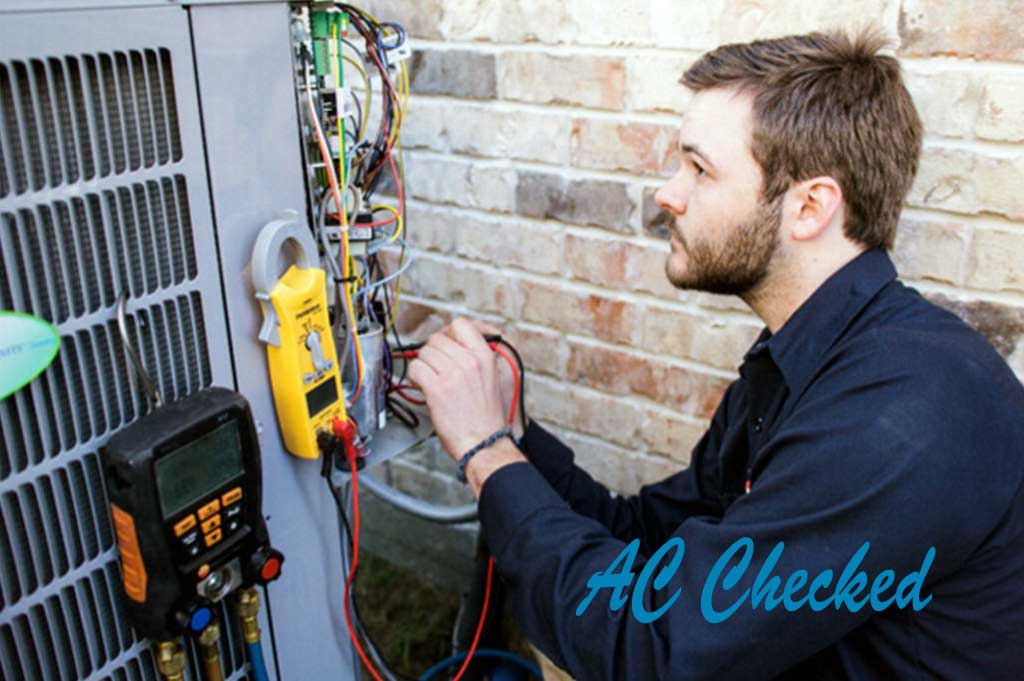
Don’t be the homeowner who constantly puts off pre-season air conditioning maintenance and regrets big time when their AC breaks down in mid-summer. How well your air conditioning equipment will fare under extreme heat depends on its maintenance or AC checked before the season begins.
Some homeowners consider preventive maintenance costly and unnecessary. This couldn’t be further from the fact. Well-maintained cooling systems perform better, use less energy, and last longer than those without regular upkeep. It’s really as simple as that. After all, an air conditioner is but equipment subject to normal wear and tear.
You may not realize it yet, but from the moment you start using your air conditioner, it starts to accumulate dust and dirt, which eventually affects its overall performance. This performance will dwindle the more you neglect preventive maintenance.
To help push you in the right direction, here are other reasons why you should get your AC checked before summer kicks in:
It ensures your AC is in excellent condition to meet the cooling needs of summer
When temperatures hit over a hundred degrees in summer, you rely on your air conditioner to keep your home cool and comfortable. The last thing you need is for your AC to break down. Such an inconvenience can stress you out and put a damper on your plans. Even if you plan to sleep the summer away, it’s going to be impossible if your home is hot as an oven.
A pre-heating season maintenance service helps you avoid such inconveniences. It ensures your air conditioning equipment is in excellent condition to meet the demands of summer consistently so that your home stays cool and you can go on with your plans.
Regular preventive maintenance should be done by a professional AC technician who can give your AC a thorough inspection, cleaning, and tuning up.
It fixes effects of the cold season
Winter affects a cooling system in many different ways. It’s another reason why you should have your AC checked as early as the first few weeks of spring. Living in Arizona where extremely cold temperatures are rare doesn’t mean there could be no damages, big or small, caused by the colder months.
The colder months of the desert region can be unpredictable. It can cause lines, coils, and pipes to freeze over and lead to moisture buildup in the outdoor unit. As it is, the outdoor unit takes a lot of beating no matter the season. When not in use during colder months, many homeowners cover it for protection, but doing so hurts more than it helps.
As a precautionary measure, a professional technician must give your indoor and outdoor units a comprehensive checkup and fix any damages caused by winter.
It prevents minor AC issues from turning into major disasters
Most, if not all, air conditioning problems start as a minor, often-ignored issue. A clogged air filter, for instance, seems simple enough and easy enough to solve, yet it can reduce air supply, freeze coils, increase energy consumption, and shorten the lifespan of the AC.
A poorly maintained air conditioner is more prone to breakdowns during the hottest months of the year. Extreme heat can easily exacerbate even the smallest air conditioning problem because the system is under a lot of stress.
To prevent minor issues from turning into major AC disasters have a professional technician clean, tune-up, and maintain your unit before summer. A professional technician can alert you to potential problems, fix problems before they happen, and prevent inconveniences during the hottest time of the year.
It prevents costly emergency repairs
If you think preheating season maintenance is expensive, think again. On the contrary, preventive maintenance prevents costly emergency repair services during summer and prevents higher energy consumption that leads to higher utility bills.
In Arizona, the worst time to get an AC replaced or repaired is during summer when demand for HVAC services overwhelm professional technicians. When demand is high and supply is low, prices shoot up, and wait times are longer and more stressful, not to mention services are often rushed as technicians attend to as many emergency requests as possible.
Get your AC checked during the off season to avoid paying more for emergency repairs.
It extends the life of the AC system
As mentioned above, the air conditioner is subject to normal wear and tear just like any other piece of equipment in your home. The more it ages, the more stress it accumulates.
Preventive maintenance relieves the pressure on your air conditioning system. For example, several moving components inside your AC rub against each other. When not lubricated regularly, the friction caused by their movements can loosen these components or slow them down significantly.
Preventive maintenance also removes dust and debris that usually clog coils, fans, and ducts. Cracks and leaks that add stress to the system are also fixed. These are just a few examples of how preventive maintenance reduces the stress on the air conditioning system, helping the unit reach its expected lifespan, if not extending it.
In conclusion, while everybody is out enjoying warmer weather, you should be calling your AC technician for a thorough maintenance service. Doing so will ensure the performance of your air conditioner when you need it the most.
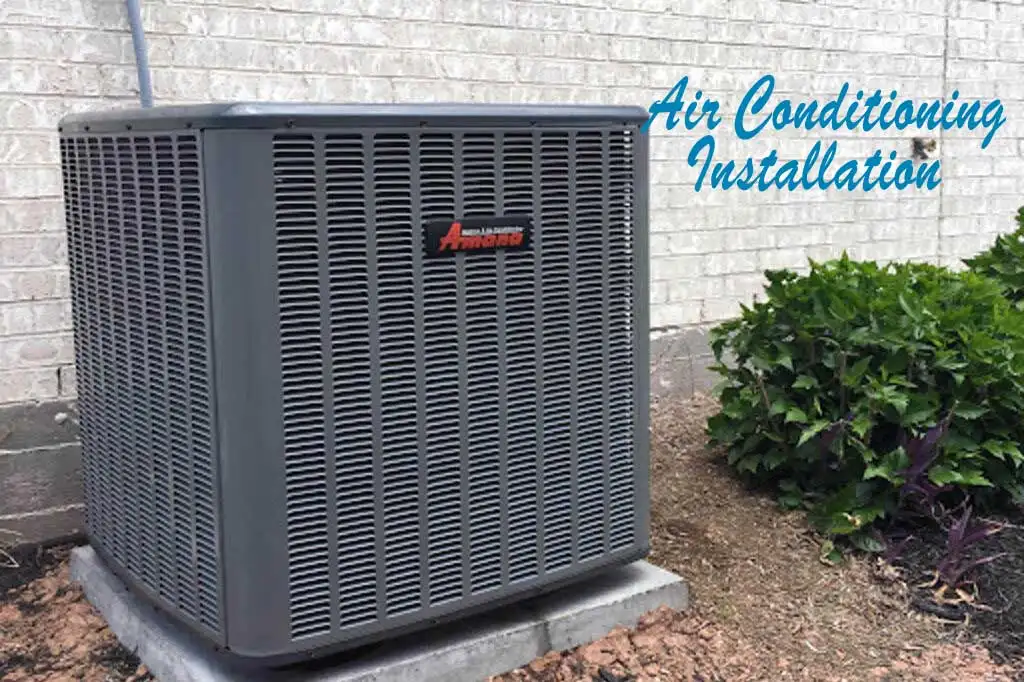
It’s common for people to wonder if they should do their own air conditioning installation or hire professionals. A few things to consider when contemplating doing your own air conditioning installation; air quality, safety, duration of the job, warranty coverage, and cost. Air conditioning systems can be dangerous. If you’re not sure about installing your air conditioning system yourself, it’s best to hire professionals to do the job.
Removal and disposal of old equipment
Your old air conditioning unit has several parts that need proper disposal, including refrigerant. Professional technicians are trained and EPA certified by law to handle this safely. Removing the old air conditioning unit is in fact the longest and most arduous part of the air conditioning installation process.
Hiring an expert HVAC company is the best solution to getting rid of that old unit. The technicians who work with these companies have training in removing and disposing of the old air conditioning units.
Professional quality installation is a must
The installation is the most important part of purchasing an air conditioner, not the brand. A lot of people make the mistake of comparing a new HVAC system to a new car. The problem with this is it is a false equivalence. It would be like buying a car and having to put it together at your home. You’ll definitely have some quality issues with that car.
If you have an older central AC system, it’s important to find out what needs to be done to retrofit the new unit. There are many considerations when it comes to this, sizing, fitment, compatibility just to name a few. There are many areas of concern when it comes to the maintenance and accessibility of your central AC system.
Hiring a professional HVAC company will help you take care of these concerns. Your HVAC contractor will be trained to handle all aspects of installing, maintaining, and servicing your central AC system.
Warranty Issues
One of the main concerns with performing your own central air conditioning installation is a warranty. There are no air conditioning manufacturers that will honor the factory warranty unless it was installed by a licensed professional.
Manufactures actually frown on selling equipment to non-licensed individuals. This is because of liability reasons. They don’t want the responsibility of someone getting hurt, property damage to occur, or get blamed for a non-working unit that is not working because of improper installation.
DIY is not ok for HVAC Installations
If you’re considering doing the air conditioning installation yourself, you should make sure that you know what you’re doing and that the job is completed safely. You don’t want to hurt yourself or others while trying to install or repair something that’s not meant to be cut down or damaged. For example, you do not want to cut off the power to the unit or cut away a wire in an attempt to fix a problem that could easily be fixed.
Quality air conditioning installations will last a long time up to 30 years
Proper Install Procedures
HVAC companies usually only hire professional installers for their air conditioning installations because it’s too risky and expensive to try to cut corners on the installation. They have the right tools and experience to complete the job properly, so there’s no need to try and cut corners when it comes to the ductwork either.
In fact, hiring a professional HVAC contractor will mean less time spent on the actual installation of the air conditioner. The HVAC contractor will use expensive specialty tools to do the bulk of the work so that you won’t have to worry about finishing anything by yourself.
If you Insist on DIY HVAC Installation
One important thing to remember during a DIY air conditioning installation is that you need to have someone with you who knows what they’re doing. ( preferably a certified and licensed professional)
If you’re not certain that you’ll be able to handle the project, then it’s best to just hire a professional. Even if you want to do the installation by yourself, you should still hire a professional if you have any doubts at all about your abilities.
These professionals have the knowledge and skills to get the job done right. In addition, they will also be able to provide you with additional help whenever you need it. This way, you can focus on other parts of your home while your HVAC system is getting installed.
Cost effective and time efficient with a pro
The air conditioning installation process is much faster than you might think. Most people who do not have HVAC skills have a hard time completing this task because of the complicated nature of the process.
A licensed AC professional will have all the specialty tools and all the needed materials needed to get through the job without hiccup. He has contacts at the supply house and crane companies that he speaks to just about every day. Most homeowners or do it yourselves would have a difficult time (not impossible) putting all these things together for a single air conditioner installation.
In contrast to a pro installer who installs 5-10 heating and cooling systems per week, every week. Not to mention he has probably been doing this for many years.
Pros and Cons of doing your own Air conditioning Install
The new air conditioner installation process doesn’t have to be difficult if you know what you’re doing. There are many things that you can do to make the whole process go more smoothly. If you have some experience in the HVAC field you may be able to complete the installation process without hiring anyone at all. If not, you should definitely get in touch with local HVAC contractors to see how they can help you with this project.
Now after reading this article you can determine how difficult the air conditioning installation process will be for you. It’s simply a matter of what you know, what you’re comfortable with, what obstacles you are willing to deal with, what your risk tolerance is, and finally time vs money. Whichever way you decide to go, good luck and stay safe!
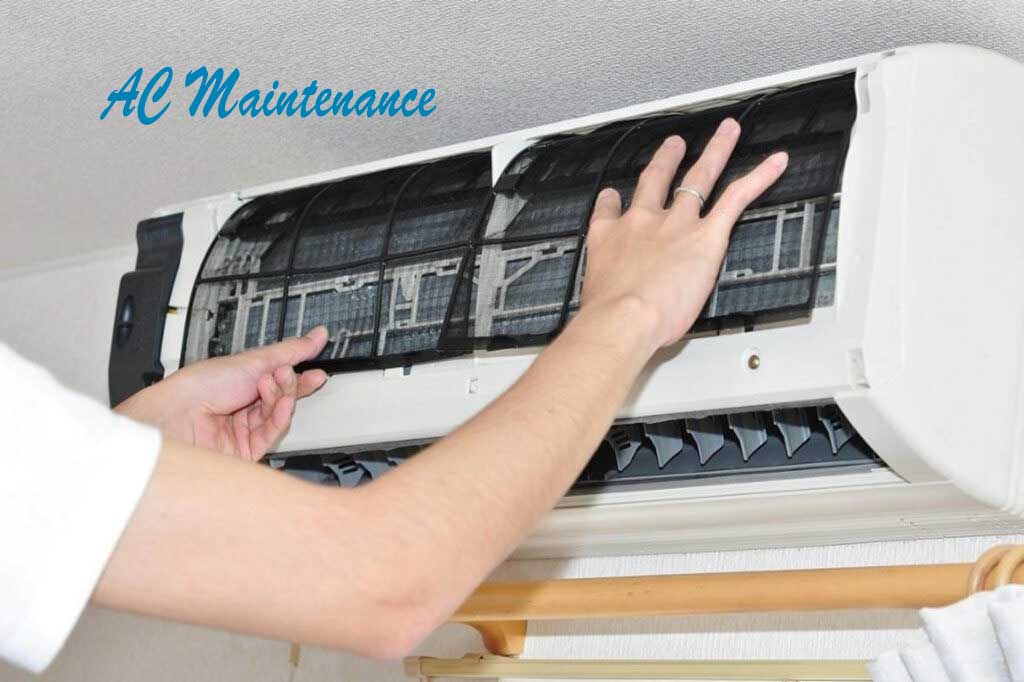
At Air Care Cooling & Heating LLC, we lookout for the best interest of our customers and encourage them to take care of their HVAC system to get the most out of it. Like most pieces of equipment, heating and air conditioning systems rely on their maintenance to ensure consistent performance.
You cannot neglect an air conditioner and expect it to continue cooling your home like a brand-new unit. No matter its make or model, or its price tag for that matter, an air conditioner is subject to wear and tear or normal performance depreciation.
Preventive maintenance then doesn’t just make sense. It is, in fact, an essential process that must be done regularly. It’s not an add-on service or an extra option. It’s a must. Your next question is, how often is preventive maintenance?
All heat pumps must have professional tune-up services twice a year, that is, once before the start of the heating season and another before the start of the cooling season. Similarly, all air conditioning systems must have maintenance services before summer kicks in.
That said, we’ll let you in on a little trade secret: getting your AC maintenance done as early as possible has several benefits. These benefits make a huge difference, so don’t wait until the last minute before making a maintenance appointment. Now is always the best time to act.
Here are 5 reasons to get your AC spring tune-up done now:
It saves you money
A faulty air conditioner will cost you a lot of money. Air conditioning repairs are expensive and an inefficient performance will increase your monthly energy bills.
An early AC maintenance gives you time to get your AC in optimal condition to beat the heat of summer. It gives you the opportunity to fix minor issues before they turn into AC emergencies. There’s never a good time for an emergency repair, but during the hot summer months, an emergency repair is twice the inconvenience.
During peak season, labor supply, such as AC repairs, replacements, and maintenance, is usually low while demand for such services is steep. As a result, you pay as much as twice or thrice as you would off-season for the same services.
If your air conditioning system is not in good condition, this will affect your energy consumption, increasing your energy bills. If it is costing you more to run your AC month after month, ask a professional technician to assess your unit. A replacement may be necessary to bring down your monthly energy bills.
It gives technicians time to thoroughly work on your unit
Performing semi annual maintenance on a ground level air conditioning
Nobody wants to admit it, but how many jobs got blotched because of time constraints?
Many homeowners wait for the last minute before getting AC maintenance, but by then, professional technicians have their hands full with many service requests.
This is especially true in Arizona, where service requests pile up as summer gets closer. When summer is well underway, there is hardly any room for technicians to breathe, much less attention to any more maintenance services. Emergency repairs take over their schedule. Technicians scramble to help homeowners fix broken cooling systems for reasons that could have been prevented if early maintenance was done.
You don’t want to see yourself in either of these scenarios. You don’t want any more inconvenience on top of over a hundred degrees of summer heat in Arizona. When not outdoors, you want to chill and enjoy your summer in the cool comforts of your home.
By getting your AC maintenance done as early as the first weeks of spring, you relieve some of the pressure that professional technicians will have to deal with in summer. In return, the technician can spend as much time as needed to clean and tune up your AC and even answer industry-related questions without the clock ticking like a timebomb in the background.
It prevents AC breakdowns when you need your AC the most
From the term “preventive maintenance” itself, regular tune-ups prevent unexpected air conditioning breakdowns. Early AC maintenance gives you time to get your air conditioner in shape for summer.
An air conditioner has many different components that need cleaning and tuning up. Its moving parts, for example, need regular lubrication while air filters, pipes, vents, and coils need a thorough cleaning to remove the buildup of dust and debris.
Early maintenance allows a professional technician to carefully inspect your unit without rushing the service. If a specific part has to be ordered for replacement, you will have ample time to place the order and wait for it.
Early maintenance fixes minor and major AC issues to ensure the consistent and efficient performance of your AC when you need it the most during summer.
It boosts overall AC system performance
The function of the air conditioning system is not limited to cooling your home although that is its primary function. Air conditioners also act as your home’s protection against indoor pollution, such as dust, animal dander, pollens, etc. It also manages changes in humidity levels caused by the seasons.
Changes in temperature and humidity levels, as well as indoor air pollution, can affect the health of your family. By providing your AC early maintenance services, you boost its overall performance to cool your home and perform its other functions.
It extends the lifespan of your AC system
Your air conditioning system is under a lot of pressure at any time of the year, not just during summer. Summer intensifies that pressure and forces the AC system to work harder. Early maintenance relieves the pressure on your air conditioning system so it can function properly and reach its expected lifespan.
Typically, AC systems last 8 to 12 years in Arizona, a few years shorter compared to AC systems in other parts of the US. Without preventive maintenance, however, it’s likely your AC will crumble under too much pressure and break down completely.
Early maintenance ensures your AC is ready to take on the demands of summer, helping it reach not just peak performance but also its expected lifespan.
As air conditioning experts, we couldn’t emphasize more the importance of early AC maintenance. Regular AC maintenance is great but getting it early will rake in even more benefits that you should take advantage of.
Talk to an Air Care Cooling & Heating LLC technician to learn more about our comprehensive AC maintenance service.
How well do you know your HVAC system at home?
Surely you know HVAC stands for “heating, ventilation, and air conditioning.” It’s safe to assume that you know what your HVAC system does to make your home comfortable.
The question is, how well do you know the HVAC system and its processes? We don’t expect you to know everything that goes into your heating and cooling systems, but as one of the most important pieces of equipment you will ever have in your home, understanding how it works and knowing what you can do to make it work efficiently will go a long way.
As a homeowner, you may be limited to a few HVAC basics. You need the expertise of a professional technician for repair, replacement, and maintenance services, but a little homeowner’s knowledge is a huge advantage.
What does an HVAC system do?
The three interrelated functions of the HVAC systemㅡthat is, heating, ventilation, and air conditioningㅡallow you to control the temperature and the humidity level in your home. The brain of the HVAC system, the thermostat, will trigger other HVAC components so that your desired temperature and humidity level are met.
By filtering the air that re-circulates in your home, it also improves air quality. The HVAC system also acts as a defense system against harmful air pollutants that may cause airborne diseases.
How does an HVAC system work?
This is where many homeowners get it wrong: the HVAC system does not produce warm or cool air per se. In layman’s terms, the HVAC system moves air from its environments so that a set temperature is met.
In the height of summer, HVAC systems use their air conditioning part to transfer warm air outdoor and use a refrigerant that cools the indoor conditioned space. In the dead of winter, the HVAC systems use the furnace or a heat pump system to transfer heat to the air, which then circulates through the ductwork of a house and out of vents while gaseous by-products are released through exhaust outlets.
The HVAC ventilation cycle is responsible for moving the cool and warm air from the heating and cooling systems. Without a properly working ventilation system, both heating and cooling systems are seriously compromised and you will know the difference. Indoor air quality and comfort level will decline, especially if you live anywhere in Arizona.
Heating and cooling your home may sound simple enough, but they’re actually very complex processes of HVAC systems that need the help of several components, moving parts, and electrical energy. Most importantly, the HVAC system needs TLC, something only you and reliable HVAC experts, like our technicians at Air Care Cooling & Heating LLC, can provide.
Cooling Systems
The air conditioning unit has three major parts: the compressor, the evaporator, and the condenser. Typically, the compressor and the condenser are parts of the outdoor unit while inside the house is where you will find the evaporator, inside the air handler.
Air conditioners use a refrigerant, a chemical that transforms from gas to liquid and back again as indoor heat is transferred outdoor, and cool air re-circulates throughout the ducts.
The cooling refrigerant reaches the compressor as gas. The compressor compresses this gas so that the molecules are squeezed tighter together and it becomes a high-pressure hot gas before it moves to the condensing unit.
It’s the condenser that removes the heat so that when the refrigerant leaves the condenser and reaches the evaporator coil, it is now a low-pressure, chilled gas. The air conditioning unit sucks air into the ducts through a vent. When this air moves over the cool refrigerant, heat is removed from the air and ducts then blow the cool air back into the house.
Heating Systems
The heating component of HVAC systems gives warmth to your home. There are different types of heating systems: the popular forced-air system, radiant heat systems, and geothermal heating systems.
A central heating system uses a central source of heat and ducts for heat distribution. The furnace is one such piece of equipment used in the heating system. The furnace is usually placed in the basement or garage. It has a burner, a blower, a heat exchanger, and a flue, which is basically an exhaust pipe for combustion by-products.
Heating systems run on gas or oil as fuel, but there are also or hybrid systems that use either.
Ventilation
Heat pumps, AC units, and even a simple furnace need the ventilating or ventilation system to complete their function. It’s the same for your home and your HVAC system.
Ventilation involves the exchange or replacement of air to achieve quality indoor air. It’s also responsible for oxygen replenishment and getting rid of moisture, smoke, odors, dust, airborne bacteria, and other air contaminants.
There are different types of ventilation systems, but you are most likely more familiar with natural ventilation. Natural ventilation is the uncontrolled or “natural” movement of air through gaps and small holes in a home. This allows fresh outdoor air to replace indoor air.
While outdoor air is ideal and has loads of benefits, natural ventilation is unpredictable, unreliable, and without adequate ability to control moisture. For your HVAC system, cracks and holes around the house are not helpful as they are exit points of conditioned air. That’s the HVAC basics of the work.
What are the different HVAC systems?
Split systems
There are split systems that use no ducts. They are referred to as mini-splits or ductless systems. These types of units mount directly on the wall or ceiling. The air intake, cooling fan, condensate drain, and drain pan are all within the wall mount unit.
In larger areas, the split system is preferred over mini split air conditioners. As the term implies, the split system splits the cold from the hot part of the system. The cold part inside an air handler includes the expansion valve and the cold coil. Air passes the coil and the cooled air then moves through the air ducts and comes out of the supply vents.
Packaged Heating and Air Conditioning System
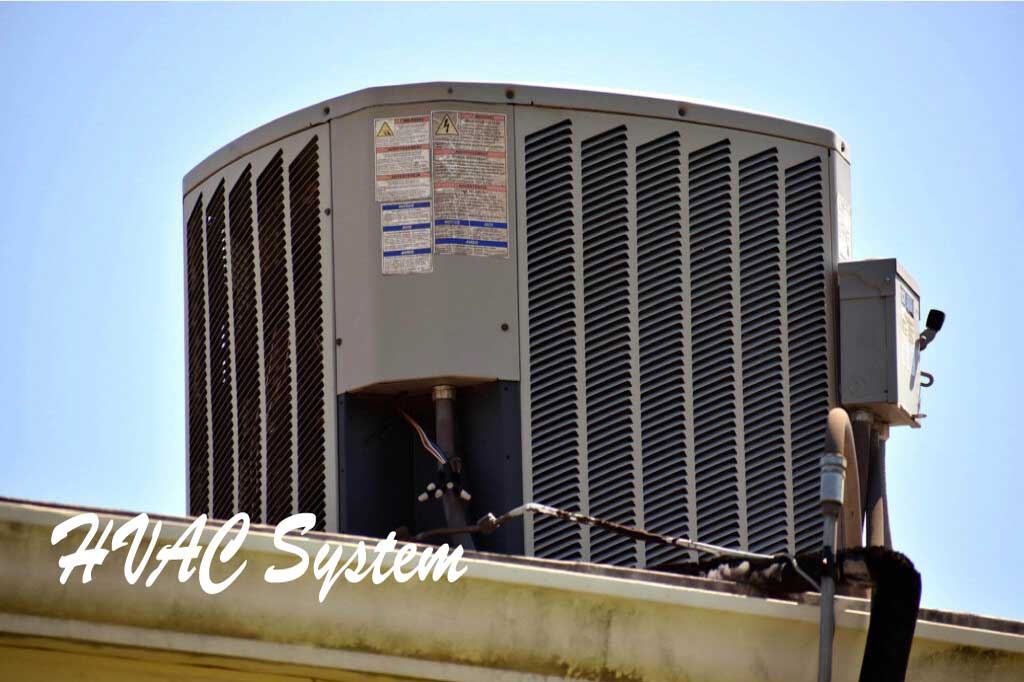
Packaged AC units are great for residential homes as well as commercial or apartment buildings because of their ease of installation. They typically go right on the roof, while the units’ air return and AC exhaust outlets are all indoors.
All the important parts of packaged air conditioners, like the compressor, cooling coil, air handling unit, and air filter, are housed in a single casing assembled at the factory location. The packaged system is simply both parts of the split system put into one box.
There are two types of packaged AC systems. One has a water-cooled condenser and the other has air-cooled condensers.
Packaged AC system with water-cooled condenser
In water-cooled packaged air conditioner systems, water has to keep flowing in a shell-like container to keep the air conditioning system going. This type of AC produces less noise and operates even with low condensing temperatures. Its high rate of heat transfer makes it ideal in large-capacity plants.
On the flip side, because it uses water, it’s prone to corrosion and needs an additional water recirculation system.
Packaged AC system with air-cooled condenser
Air-cooled packaged ACs are smaller in size, simpler in operation. They need less maintenance and cost less compared with the water-cooled condenser. However, air-cooled condensers need more power to run and their cooling effect is not so high. As a result, air-cooled ACs are not ideal for long use.
Central AC System
In a central AC system, the air is cooled at a central location before it moves through the duct system to be distributed to and from different parts of the house. The work of the air conditioner compressor is what makes the whole process of air conditioning possible.
Aside from cooling your home, central air-conditioning systems also clean air around the house by drawing air out through return air ducts. An air filter is used to remove airborne particles before the air re-circulates back through the ducts.
What’s the best HVAC system for your home?
Unless you’re building from the ground up, there’s probably an HVAC system sitting in your home. Whether it’s the best system for your needs is entirely a different matter. So how do you know what’s the best HVAC system for your home?
Schedule an appointment with a reliable HVAC company for an assessment. The heating and cooling needs of a space change over time. A building extension, reconstruction, and even interior design affect heating and cooling loads of space. An HVAC expert can calculate heating and cooling loads and make professional recommendations to suit your present situation.
Look for energy-efficient heating and air conditioning units. If you have an older model HVAC system that doesn’t have a SEER rating of 14, think about a possible upgrade. New air conditioning models come with modern conveniences and energy-efficient functions.
At Air Care Cooling & Heating LLC, we help clients make the best-educated decision by giving them our professional recommendations based on a site or home evaluation.
Seasonal Energy Efficiency Ratio (SEER) of HVAC systems
The Seasonal Energy Efficiency Ratio or SEER measures the cooling efficiency of an air conditioner or a heat pump by calculating the cooling output of a cooling season divided by the total electric energy input during the same time frame.
Nowadays, air conditioners have a minimum SEER rating is 13. ENERGY STAR® qualified air conditioners must have a minimum SEER rating of 14.5. The higher the SEER rating, the higher energy efficiency.
It’s important to note here that there are other important factors that also affect the efficiency of an HVAC system. Aside from the SEER rating, the size of your home, your duct system, your home insulation, and other variables must be considered as well.
If you want to schedule a home inspection, call us and one of our HVAC technicians will help you determine the best energy-efficient HVAC system for your home.
How to care for an HVAC system
Caring for your HVAC system does not have to be complicated. In fact, it’s better to leave the complicated stuff to HVAC experts. But don’t be quick to forget about your unit either. There are many things you can do to make a difference.
Here are three tips you should do on a regular basis to ensure your heating, ventilation, and air conditioning system stays in good condition:
Clean filters at least once a month to remove buildup and replace disposable ones every 3 months or so. This tip also includes cleaning the air return.
Clean the area around the outdoor unit. The outdoor unit is exposed to harsh elements such as water, wind, heat, rain, and snow. Leaves, branches, and other vegetation can also clog the outdoor unit and prevent it from functioning properly.
Give your heating, ventilation, and air conditioning system much-needed professional maintenance service. Scheduled maintenance services with a pro twice a year, one before the summer kicks in and another before the start of winter.
Why is heating and cooling maintenance important?
HVAC services such as repair, replacement, and maintenance keep your HVAC systems in good condition and improve air quality in your home.
AC units need routine maintenance at least once a year before the start of summer. If your type of system is a heat pump, your heating and cooling unit has to be serviced in the spring and in the fall or before winter and summer kick in.
Many homeowners find HVAC maintenance costly and unnecessary. They couldn’t be farther from fact. The fact is, all HVAC systems, even the most expensive ones, need TLC because, the moment you start using your HVAC equipment, it’s subjected to normal wear and tear.
Preventive maintenance keeps your equipment running, prevents frequent repairs and costly replacements, and extends the life of the equipment. Pre-season maintenance ensures your unit is ready for the demands of the season, may that be excessive heat or too much cold.
What are the common HVAC problems?
When it comes to HVAC systems, an ounce of prevention is worth a pound of cure. As a homeowner, you always want to stay ahead of the game and recognize HVAC issues for what they are before they become full-blown HVAC disasters.
Here are some common HVAC concerns that you should watch out for.
Clogged filters
Dirty filters restrict airflow, driving your HVAC unit to work harder to circulate air through the ducts. Insufficient air does not only put a strain on the entire HVAC system, but it is also a major inconvenience on your part. Without proper airflow, the set temperature will not be met and the comfort level will go down.
Thermostat malfunction
There are many different types of thermostats. Some are smart and programmable while others are not. All thermostats, however, kick the HVAC system into action. So when the thermostat stops working properly, it affects other HVAC components of the heat pump, furnace, or AC, which will, ultimately, affect the temperature and air quality of a given space.
Leaking duct system
When ducts leak, you lose conditioned air, which will eventually affect the comfort level in your home. Worse, the ducts suck in dirty, unfiltered air from the attic or the basement. That means air contaminants will circulate in the air you breathe.
Conventional duct-sealing methods include sealing from the exterior using duct tape or mastic. While that’s always an option, at Air Care Cooling & Heating LLC, we provide an even better solution using a modern interior duct-sealing method. It is proven and tested more efficient and cost-effective. Call us and speak to one of our technicians about interior duct sealing.
Frozen evaporator coil
A frozen evaporator coil is a common AC problem. It may be caused by dirty filters, broken fans, blocked condensate lines, malfunctioning thermostats, and low refrigerant levels. The refrigerant cannot absorb heat when the coils are frozen and this will lead to a reduced cooling effect.
How can you tell the coils have frozen over if you can’t see ice, right? One tip is to check for puddles of water near the blower. Another is to call an HVAC professional ASAP.
Understanding how your air conditioner, furnace, or heat pump works will help you appreciate its value as an essential part of your home. Find an HVAC contractor who will care for your unit now.