With surge protection in place, the electrical spike is diverted or stopped altogether, protecting from potentially irreversible damages to the Read more
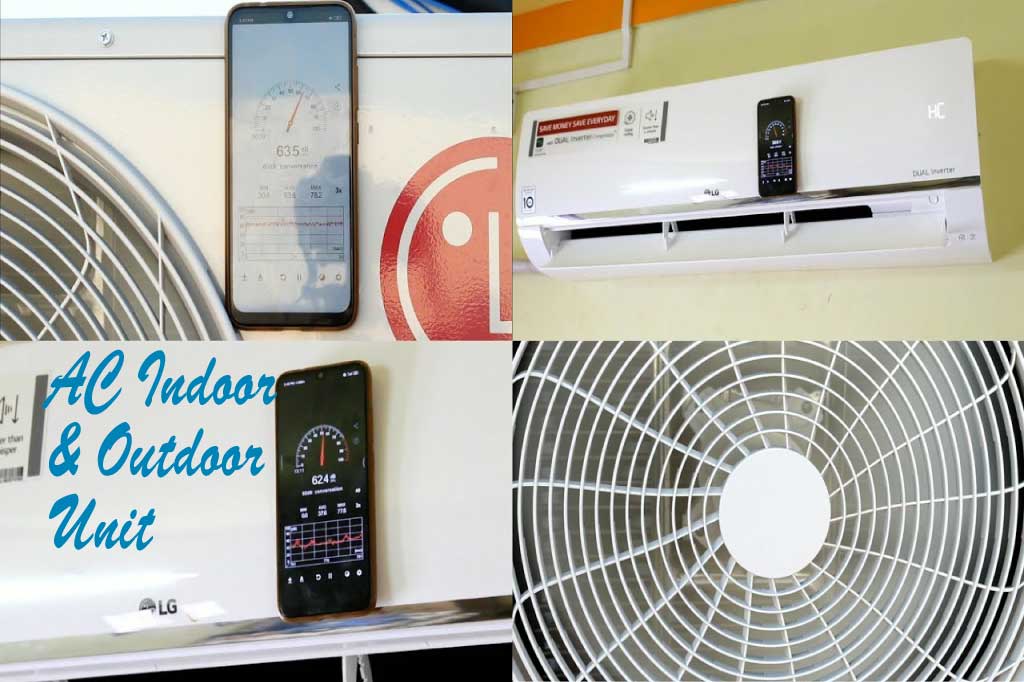
The short answer is yes, both indoor and outdoor units must be replaced at the same time. Of course, you can replace the outdoor unit and keep the indoor air handler or vice versa, but is it practical to do so? No, it isn’t. Any professional HVAC technician worth his salt will advise you to replace both so you can reap the benefits of a new system. That includes efficiency, savings, comfortable and quality indoor air.
Some homeowners don’t want to replace both indoor or outdoor units unless they are both not working. We get it―why fix what is not broken, right?
Well, we all want to save where we can, but when it comes to your heating and cooling system at home, you have to be smart about your decisions or suffer terrible consequences sooner or later. By “consequences” we mean insufficient cool airflow and spending more than you intend to in the long run.
Imagine replacing the outdoor unit first only to replace the indoor unit in a couple of months. You’re looking at two installation fees right there, not really the cost-effective approach you want. Or what if your AC will break down in the middle of summer and there’s no HVAC technician to service your unit? That’s a total inconvenience, especially if you live anywhere in Arizona.
Here are more reasons to consider when replacing your outdoor and indoor unit at the same time:
1. Older AC systems are not compatible with modern ones.
Newer air conditioning systems are fitted with the latest technology so they are often incompatible with older systems. It doesn’t make sense to modify an old unit to make it work with a new one. Sometimes, modifications are impossible at all or they cost more effort and money.
For instance, since 2016, the minimum Seasonal Energy Efficiency Ratio (SEER) is 14. Older air conditioning models that do not meet that rating are not compatible with anything sold in the market today.
There’s no workaround to fix AC SEER incompatibility. The same goes when refrigerants are incompatible. Since 2010, Freon or R22 has been forbidden by environmental standards due to its harmful ozone effects.
If your air conditioner runs on R22, Freon is still available and technicians can service your unit in case of refrigerant leaks. However, when you buy a new air conditioning unit, you can’t purchase one that works on Freon. Nowadays, refrigerants run on R-410A or Puron, a trademark of Carrier.
2. Matched systems are more efficient.
Outdoor and indoor units are designed to match to generate the best heating or air conditioning performance. So while replacing one and keeping another will work, the system won’t operate the way it was designed to and won’t deliver the same results.
Imagine changing the outdoor unit but keeping a leaky duct system. It doesn’t make sense at all. In fact, the older system will eventually cause the new system undue stress and wear it out faster.
3. Matched systems make the most of technology
Advances in HVAC technology have been mind-blowing over the last couple of decades. Variable-speed blower motors are now the range while single-speed ones have taken a backseat.
Thermostats are now smarter than ever, so much so that, aside from controlling indoor temperatures, you can integrate them with many smart home functions that operate on voice commands, like Amazon Alexa and Apple HomeKit.
These are just two examples of the new technology that you can take advantage of when upgrading your HVAC system. An older system will not be compatible with most new developments, at least its performance won’t be as efficient.
4. Mismatched units void manufacturers warranty.
A manufacturer’s warranty is provided under the assumption that both indoor and outdoor units are new. After all, manufacturers and HVAC professionals are well aware that a system is compromised and prone to damages when one unit is older.
A manufacturer will not honor the warranty of the newly installed outdoor unit. That’s a major disadvantage to you because, without a warranty, labor costs and parts will be heavier on your pocket. In essence, all that “saving money where you can” goes out the window the moment you lose the warranty.
5. Professional HVAC technicians don’t service mismatched units.
No HVAC professional will touch a mismatched system because doing so means a liability to them. They know no amount of fixing will ever get a mismatched system to work efficiently. Eventually, it will break down and the pro wouldn’t want to be held liable.
This leaves you no option but to hire a neighborhood repairman or, worse, a fly-by-night contractor. Unfortunately, those options don’t give customers a warranty. In fact, you may have a hard time contacting them again should you need a follow-up service. That means you need to get another person to fix a problem you already paid for.
6. Mismatched systems have shorter lifespans.
The outdoor and indoor units are designed to work together seamlessly. They complement each other to give you the heating or cooling you need to make your home safe and comfortable.
When only one unit is replaced, the other has to work harder to keep up with the new installation. Conversely, the new unit will not reach its peak performance and expected lifespan. The old unit will pull its efficiency down, and the additional pressure will stress the new unit so that it consumes more electrical energy and increases utility bills.
7. Mismatched systems reduce real estate value.
When a house is listed on the market, a home inspection is performed to help protect potential buyers. One of the major highlights of every home inspection is the quality of the HVAC system in the house.
Essentially, a mismatched indoor and outdoor unit is more of a liability, not an asset or a benefit to the potential homeowner, and will be identified as such by the home inspector.
Unfortunately, if it were your house, the mismatched system will affect its value and may even turn off potential buyers.
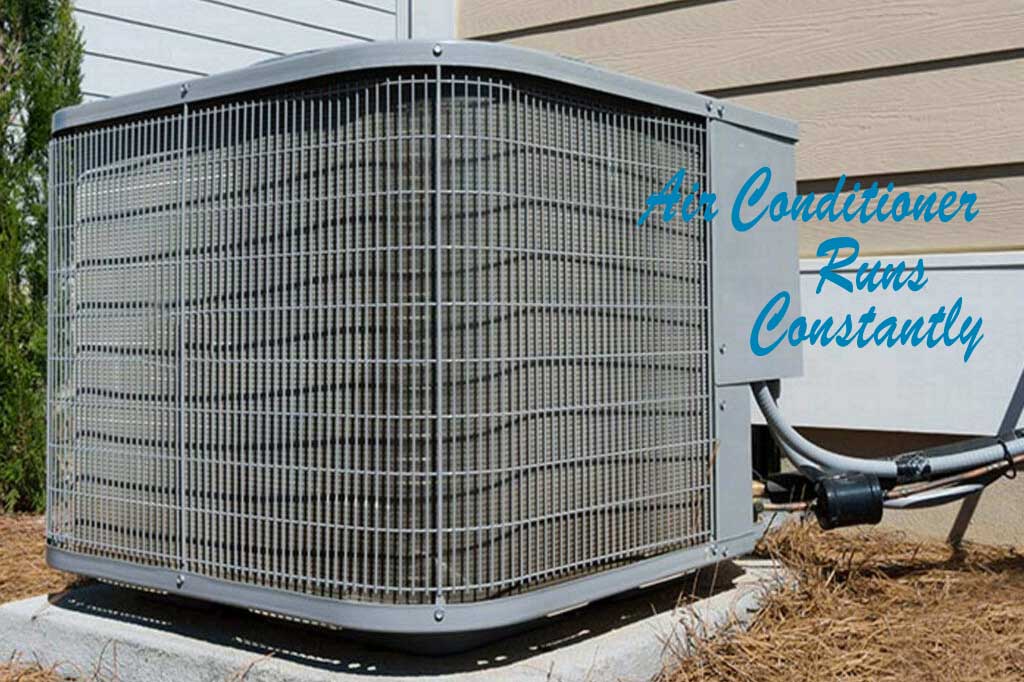
You want your air conditioning system running efficiently, not constantly. When your air conditioner runs constantly, you have a big problem in your hands and you did not get there overnight.
Air conditioning systems generally last a long time, but their upkeep, or lack thereof, plays a crucial role in hitting peak performance and reaching the expected lifespan. For instance, you must check regularly if filters and coils are dirty, if there is enough airflow from the supply vents, and if there are other signs of wear and tear. An HVAC technician must be called in to fix whatever little problem there is so it doesn’t balloon into something big.
Maintenance contributes to the efficiency of your air conditioning unit. After all, your AC undergoes a lot of pressure on a daily basis. Additional stress means your AC has to work harder to remove heat from your home and replace it with cold air.
When an air conditioner runs constantly, that’s a sign you’ve neglected your AC. Your cooling system should run for about 15 minutes per cycle on a summer day. A cycle time of 30 minutes is too long. Unless your unit is an old one about to get replaced, you probably didn’t catch little AC issues until they cause your air conditioner to run constantly.
Now that the guilt trip is out of the way, here’s the good news: it’s not the end of the world, much less your AC unit. Call an HVAC technician immediately. He will diagnose the problem and fix it so your AC will once again meet your home’s cooling demands.
To give you an idea of what may be causing your air conditioner to run constantly, we rounded off 7 causes for you. By taking note of these reasons you can avoid the same problem from happening in the future.
1. Dirty Air Filter
Your air filters need to be cleaned at least once a month. It’s as simple as that. If there’s one thing you can and should do for your air conditioner, it’s to clean the filters regularly or replace disposable ones every month. Also, make sure you purchase brand new air conditioner filters that are the correct size and MERV value. Even a brand new air filter can work against you if it’s too restrictive and does not allow air to easily flow. Such a simple task can improve the efficiency of your air conditioner.
When the air filter has excess dirt and debris, airflow is restricted, which then affects other air conditioning components. Without sufficient air flowing over the coils, the system can’t cool the air and remove humidity. Restricted airflow across cooling coils causes air conditioning units to have a long cooling cycle.
How can dirt and debris accumulate so fast in the air filter?
The air conditioner is not just responsible for cooling your home. It also prevents air pollutants from re-circulating the air. The air filters are responsible for this job. Basically, air filters protect you and the rest of the HVAC system.
Air pollutants are not just harmful to your health. They can affect the performance of the HVAC system too. Can you imagine what will happen to an air conditioner if, for instance, animal hair and dander are not filtered? It will wear down the blower motor, clog the drains and the vents, and cling to the fans.
2. Frozen Evaporator Coil
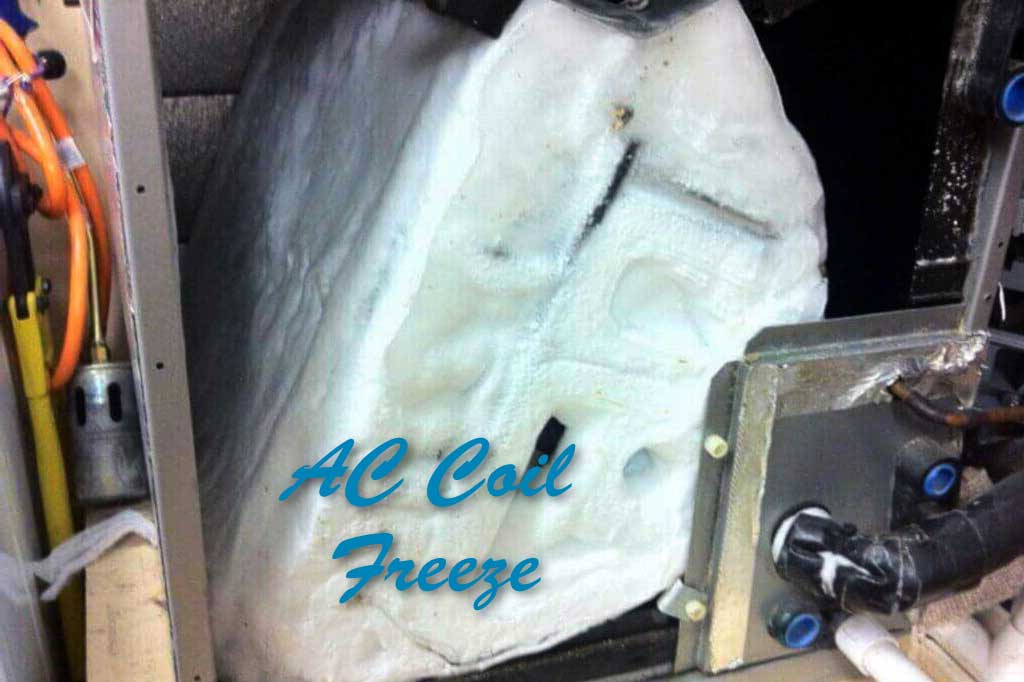
Ice on the evaporator coils? That’s not exactly a bad thing, right? It is.
Even when you don’t really see ice, a frozen evaporator coil is still not good for your air conditioner. When not fixed immediately, it can cause your air conditioner to keep cycling on and off. What does the evaporator coil do and why does it affect the cycles of your air conditioner?
Contrary to popular belief, the air conditioner does not produce cool air. The refrigerant absorbs heat from inside the house, cooling the air before moving to an outdoor coil to release the heat. The indoor coil that contains the refrigerant is the evaporator coil. When it is frozen, it allows no warm air to heat the refrigerant.
The refrigerant can’t do its job effectively when the evaporator coil is frozen. Without the refrigerant, no conditioning or cooling is possible at all.
A frozen evaporator coil is a common air conditioning issue that may be caused by dirty filters, broken fans, a malfunctioning thermostat, blocked condensate lines, and refrigerant leaks. When you suspect the evaporator coil has frozen, call an air conditioning technician right away.
3. Low Refrigerant Charge
We previously mentioned the refrigerant and its role in the cooling process in your home. Your air conditioner works by circulating refrigerant through two sets of coils. The refrigerant, which starts out as a liquid, is converted to gas in the evaporator coils. It absorbs heat from the surroundings and moves to the condenser coils where it releases the said heat.
When there is a low refrigerant charge or pressure, the temperature is also low. The refrigerant cannot cool warm air effectively. As a result of the insufficient cool air, the air conditioning system compensates by running constantly. This means the cooling demands of the home will not be met but your utility bills will increase due to constant energy consumption.
4. Faulty Thermostat
The thermostat is basically the “brains” of the heating and cooling system in your home. It tells the air conditioning system when set temperatures in your home have been reached. If your thermostat is not registering temperature difference readings properly, it can cause a problem and your AC will keep running on and on.
The thermostat is one AC component you should check before calling a pro. Check if the thermostat is set correctly based on your temperature preferences, your routine, and the manufacturer’s recommendation.
If you’re keen on upgrading an older thermostat model, ask your HVAC technicians about smart thermostats. They are more efficient and more cost-effective. They give you the power to control the temperatures in your home anywhere you go.
5. Leaky Air Ducts
Leaks in the duct system prevent conditioned air from reaching the supply vents and from cooling your home. As a result, your home won’t be cool enough to achieve a set temperature, prompting the A/C system to keep on running.
There are many possible reasons for air leaks. Age, normal wear and tear, and even pests and animals trapped in the duct system can cause holes and cracks in the pipes. In the past, home and business owners had to use mastic and duct tapes to seal air leaks from the outside. Now, interior duct sealing is possible, which is a convenient and efficient way of fixing air leaks.
If you suspect duct leaks are causing your AC system to run much more than usual, call us at Air Care Cooling & Heating LLC and one of our trusted technicians will inspect your ducts and the rest of your AC system. We provide interior duct sealing, retrofitting, and other HVAC services.
6. Dirty or blocked condenser coil
Since the outdoor unit is exposed to the elements outside the home, it can get dirty, clogged, or blocked and cause the AC to keep on running. A dirty condenser coil is a big problem and will affect your energy bills.
The condenser condenses the refrigerant and turns it into liquid. Because of its outdoor location, dirt and debris can easily clog the condenser, reducing its efficiency. You may have to call in the air conditioner experts for emergency service, but first, clean the area around the outdoor unit.
It’s important to regularly clean the area around the condenser unit to prevent any issues. Leaves, branches, other vegetation should not be anywhere near the condenser. If leaves get stuck inside the condenser, it may damage the fans and prevent them from working.
Most systems will have issues if the airflow is restricted. The same is true with the outdoor unit where the condenser coil is located.
7. Blower motor issues
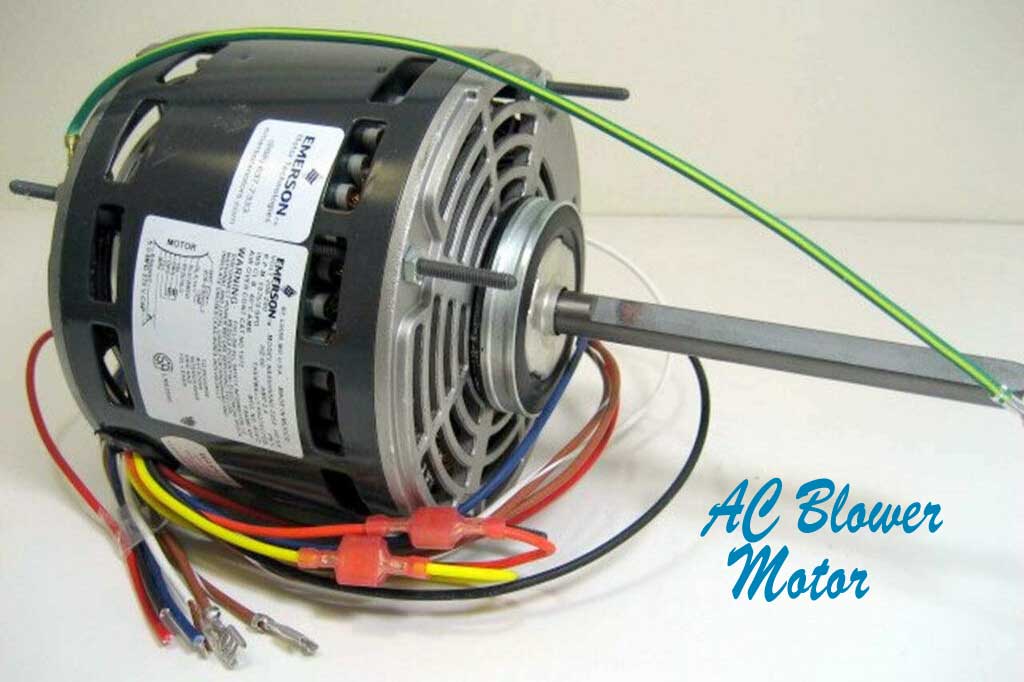
The blower motor blows air throughout the AC system. Remember, the air has to move through the system to the air vents to cool your home. The blower motor provides the power to move air efficiently, so when it’s not working properly, the system will run constantly in order to reach set temperatures and give comfort to your home.
The blower motor is not something you should tinker with on your own. Call an air conditioning expert who can fix the problem for you.
Tips to Prevent AC from Running Constantly
Ensure you have the correct-size AC Unit
If you recently moved or renovated your house, make sure to ask your HVAC technician to do a heat load calculation for you to determine if you have the correct AC size to meet your home’s cooling needs.
When the A/C system is sized too small, it can’t meet your home’s cooling demands. It just can’t cool your home so the air conditioner runs constantly to compensate.
On the other hand, if your air conditioner is too large it will cool too quickly and is also a problem. The heat from your home in the summer months will not be removed properly. The airflow cycles will be too short, and without the ac running for the proper amount of time, the humidity cannot be removed.
Have regular maintenance performed on your home heating and cooling system
HVAC maintenance is not something you want to skip on if you want your cooling and heating unit to meet your home’s needs consistently. The higher your air conditioner’s age is the more important it is. Maintenance keeps your unit in peak condition for consistent cool airflow in your home, saves on energy bills, prevents a minor problem from becoming a major one, and extends the life of your HVAC system.
HVAC problems that cause your air conditioner to run too much should be addressed by an HVAC professional immediately, but there’s a lot you can do to contribute to the upkeep of your AC. Simple things like cleaning the filter and the area around the outdoor unit counts as maintenance too.
It’s not surprising if the HVAC system is one of the most neglected equipment in your home and constant AC cycles are one of the most common problems homeowners encounter. While it’s a relief to know that constant cycles can be fixed, don’t wait for it to happen before you look for an HVAC contractor you can trust.
Find an HVAC contractor you can count on
Find an HVAC contractor you can call for any emergency service. For as long as you have heating and cooling systems at home, you will need an HVAC contractor for one service or another.
At Air Care Cooling & Heating LLC, we strive to provide excellent workmanship and outstanding customer experience. Our goal goes beyond fixing one HVAC problem at a time. Instead, we hope to build lasting relationships with our customers and help ensure they have cool air for their comfort at home.
The blower motor plays a major role in the AC system, so when it’s time for a replacement, there’s no other choice but to get it replaced. Your questions: What are you looking at in terms of replacement cost? Specifically, how much does it cost to replace an AC blower motor in Phoenix AZ? Can you put off the task for another time or will a DIY intervention fix the problem?
Unless you’re an AC repair expert, an AC blower motor replacement is not the right project to flex your DIY skills. You need to make a service call and bring in professional HVAC technicians to correctly diagnose the problem and fix it once and for all. As the component responsible for pumping air through the air conditioning system, you need your blower motor in optimum performance to ensure consistent cool air throughout your home.
Replacement cost depends on several factors like labor costs, replacement parts, and timing. To give you an idea, the price range is typically between $800 to $1800 or more. In Phoenix, replacement cost and repair cost are higher during hot summer months when demand for HVAC services far exceeds the available labor supply.
That said, a blower motor repair is not something to put off until a better time. There’s never a good time for such a repair service unless you’re willing to pay the price because blower motors are that important to air conditioners and furnaces. Without your air conditioner and furnace blower motor, your HVAC system is basically rendered useless.
What is a blower fan motor?
Contrary to what many homeowners believe, air conditioners do not create cool air. Neither does a furnace create warm air. The Joule-Thomson effect, in fact, makes the HVAC system work, and a big part of the process is done by the air conditioner and furnace fan motor (there’s one motor for both AC and the furnace, not two).
With the help of the blower wheel, sometimes called a squirrel cage, the blower motor turns the fan blades so that air moves to the evaporator coil and through the rest of the air conditioning system. It removes warm air from inside the house and blows cool air through the vents to give you quality indoor air. Without the blower motor, your air conditioner is basically useless as air cannot efficiently move in the air conditioning system.
There are different types of AC blower motors, each type with different pros and cons although most AC technicians agree that the newer model is more cost-effective than the other.
Single-speed Motor
An older model AC unit usually has a single-speed air handler that turns on and off. Without a speed adjustment feature, the moment the air handler is switched on, it runs on full output. This means your AC unit consumes maximum energy that leads to high utility bills.
Variable Speed Motor
A variable-speed blower motor gives you efficiency and the flexibility to change speeds and control the air that flows through your heat pump, furnace, or air conditioner, making it the more ideal model.
Imagine leaving your house for work and switching off the air handler versus switching it to a slower speed so the house stays cool when you get home. The variable-speed motor is not only convenient, but it is also energy-efficient. As you adjust the speed of the motor, you effectively control energy consumption too.
Expert Tip
Before replacing your faulty single-speed blower motor, talk to one of our HVAC technicians and we will help you determine the best model suitable for your home. Part of Air Care Cooling & Heating LLC‘s service commitment is to give homeowners professional recommendations to help them make educated and cost-effective decisions. It’s not enough that we solve an immediate problem. Instead, we find ways to provide long-term solutions to help extend the lifespan of your AC, furnace, or heat pump and make it worth your investment.
What are the signs the blower fan motor needs to be replaced?
The air conditioning unit is a complicated system. When one thing doesn’t work, it may be caused by one of several factors, like excessive dust clogging the filters, a refrigerant leak, or a hard-starting AC compressor, all of which needs immediate attention, replacement, or repair.
What are the signs to watch out for to know your blower fan motor is ready for a replacement?
Weak or no airflow
Remember, it’s the blower motor that moves air throughout the system, so when age and normal wear and tear affect the blower motor, you will definitely notice weak airflow from the vents or no airflow at all. This is a telling sign that you’re due for an AC and furnace blower motor replacement.
Until the repair service is taken care of, turn off your AC at home to avoid damaging other AC parts. Weak or no airflow can cause the evaporator coil to freeze and add pressure to the AC compressor, which will both add to the repair costs or replacement costs.
Strange sounds from the motor
Your air conditioner unit at home most probably makes some kind of noise. Low-level noises are to be expected and are not a cause of worry. However, when you start hearing strange loud noises, your blower motor may be the problem. If you hear screeching noises, those are indicative of bearing issues while rattling sounds may be due to a loose or broken part.
Call a professional technician who can diagnose the problem correctly and solve the issue before it spins off to problems that affect other AC parts.
High energy bills
It’s a fact that households in Phoenix, like the rest in Arizona, spend more energy on the air conditioning when compared to other US cities. That’s not surprising at all given the heat of the desert region, but what can be surprising is a spike in energy consumption in these homes.
A sudden increase in energy usage leads to higher energy bills. Again, this may be due to many factors, such as a frozen evaporator coil, a thermostat or a circuit board that has gone bad, a hard-starting compressor, and several other scenarios that resulted from bad AC parts. The blower motor may also be the issue.
An aged or worn blower motor has to use more effort or more energy to turn the fan and blow air throughout the AC system. You can’t solve this issue on your own. A professional technician must inspect your AC, find the source of the problem, and repair it. If the blower motor is the culprit, then it has to be replaced.
Is the blower motor covered under warranty?
If your blower motor is still under warranty, that’s good news. A warranty offsets the cost to replace or repair an AC or a specific part, but as you know, a warranty does not last forever or cover everything on the AC.
Blower motors usually have a 5 to 10 years parts warranty from the factory, but it varies from one brand to another. For instance, Carrier, American Standard, and Lennox offer a 10-year limited parts warranty that covers the compressor, evaporator coil, blower motor, among others.
A warranty, like that offered by Carrier and other leading brands, may reduce the motor replacement cost to the cost of labor alone. It’s definitely good to have a warranty especially for costly replacements like circuit board replacement, compressor replacement, or blower motor replacement.
If unlike Carrier and other leading brands, your brand does not cover your blower motor or you’re out of warranty, you still have to go ahead with the replacement.
With or without a warranty to mitigate replacement or repair cost, you still need to call an HVAC contractor.
How to take care of your blower fan motor
Blower motors usually last a long time, but as one of the hardest working components of the AC, it wears down quickly too. Regular cleaning and routine maintenance help keep the blower motor in peak condition. As well as lubricating the belt and bearings to minimize friction. Regularly changing air filters alone is a huge help to ensure dust does not accumulate in the blower wheel.
Finally, do not skip professional maintenance services at least twice a year. It can prevent problems from happening and help save you from expensive replacement or repair costs.
In Phoenix, you can call our number and request AC repairs, replacements, and maintenance services or ask for estimates of replacement or repair cost.
How to find the right AC contractor for a blower motor replacement in Phoenix
Whether you’re in Phoenix AZ or not, your AC, furnace, or heat pump will encounter different kinds of issues over its lifespan that require AC repairs and replacements. Therefore, when searching for the right HVAC contractor, look for one you can turn to every time you need AC repair, replacement, or maintenance services. You don’t want a one-off. Instead, you want a reputable professional contractor that you can work with for as long as you have an AC unit.
Price
AC repair costs, replacement costs, and AC parts can be costly, not just in Phoenix but anywhere in the US. While it’s good to seek affordable options, always keep in mind that you get what you pay for. A reputable company may cost more than your friendly neighborhood repairman, but in exchange, you get professional recommendations from highly trained technicians and after-sales services.
Reputation
Save yourself from future headaches and go with a trusted contractor. A contractor’s reputation tells you everything you need to know about how he or she does business.
Contact Us
For AC repair, replacement, and maintenance services, contact us and one of our professional technicians will assist you. In Phoenix and nearby cities, we’ve built a solid reputation based on excellent service, outstanding customer experience, fair and honest prices. More importantly, we’ve built lasting relationships with homeowners and businesses who trust us with their AC services. It couldn’t get better than that.
When it comes to your air conditioning system, don’t wait for a small problem to worsen. As soon as something comes up with your AC unit, find out its cause and or call an HVAC professional to diagnose the problem and fix it. Even a small air conditioner problem can cause the whole air conditioning system to eventually go into overdrive.
AC coil freezing is one such problem. It’s a common problem that usually starts with a small issue that was not fixed right away until you end up with a frozen AC. Understanding how air conditioners work helps. So when you ask “Why is my air conditioner frozen?” be ready to find out more.
Your air conditioner did not just freeze. There’s a lot more involved that caused your AC coils to freeze.
The Joule-Thomson Effect
The Joule-Thomson effect is present in the air conditioning system in your home. It is a thermodynamic process that moves warm air inside your home to the outside compressor. This process uses continuous airflow, refrigerant, and the evaporator coil.
In essence, the air conditioner does not create a cold temperature or cool air. Instead, the Joule-Thomson effect moves heat from inside the house and sends the exhaust outside.
When there is insufficient airflow in the heating and air conditioning system, the process goes out of whack. Humidity turns to ice and causes the air conditioner coils and refrigerant lines to freeze or ” ice over” as the pros say. Ice on your system is very bad because it blocks airflow. To prevent that from happening to your air conditioner, it’s important to keep every part of the AC in tip-top condition so air can flow without a hitch. Every part of the HVAC system is important no matter how small or big it is.
Top Reasons Why AC Coils Freeze
Clogged Air Filters
What do you know about the air filter? From the name itself, an air filter filters dirty air that goes into your air conditioner unit. Air filters prevent dust, animal dander, pollens, and other particulates from entering the HVAC system so that the air that comes out from the supply vents is clean and safe.
Air filters have to be regularly cleaned and replaced every 3 months or so. Otherwise, dust and other particulates will cause a buildup and clog the filters. Clogged air filters make it difficult for warm air to move through the ducts. Without sufficient airflow over the coil, the refrigerant in the coil turns too cold and water vapor from the condensation process settles on the evaporator coils and freezes.
Air filters are easy to clean and replace, but they are the number one reason why AC coils freeze up. Clogged air filters also affect other components of the HVAC system, not just the evaporator coils. Clogged air filters put a strain on other components and increase the energy consumption in your home.
Broken Blower Fan
The blower fan is important for proper airflow in the heating and cooling system. The blower fan provides the pressure that pushes dense cold air so it can circulate throughout the house and pushes warm air outside.
When the blower fan is not working properly, it affects the airflow in the air handler. Eventually, moisture will settle on the coils and cause freeze-ups. This causes ice to form and damages the system.
Make sure to keep air properly circulating in the HVAC system. Any blockage will start a domino effect that will put more pressure than necessary on other air conditioner’s components. An HVAC technician at Air Care Cooling & Heating LLC can fix a broken blower fan for you. As much as possible do not attempt a DIY if you’re not an HVAC professional.
Obstructed Supply Vents
Just like the air filter and the blower fan, blocked or obstructed supply vents also cause the air conditioner coil to freeze. Sufficient airflow is necessary to keep the AC unit in top condition. When air is blocked, it causes moisture to settle on the AC coils and freeze.
It’s a good idea to check where your big pieces of furniture are. Make sure they are far from the air vents in your home. Check your air by putting your hand directly in front of the vents. You should feel the airflow. If heat comes out from your vents instead of cool air, it’s time to call the pro.
Low Refrigerant Levels
A leak in the refrigerant causes low refrigerant levels, which leads to a frozen evaporator and AC coils freeze. This is not a heating and air conditioning problem for a homeowner to DIY. A professional HVAC technician must be called in to find the leak and fix it.
The refrigerant inside the copper coils in your AC unit is responsible for absorbing heat from indoor air, leaving cool air. Without the refrigerant, there is no air conditioning. The air conditioner does not consume the refrigerant, so a low refrigerant level means there is a leak in the coil or a refrigerant line that must be sealed immediately.
Refrigerant levels must be maintained to effectively remove heat from inside the house and keep the refrigerant pressure. Low pressure results in a frozen AC. A leaking refrigerant does not only cause you money, but it may also cause poisoning and other serious conditions.
If you suspect a leaky refrigerant, call Air Care Cooling & Heating LLC for an immediate heating and air conditioning repair service.
Blocked Condensate Drain Lines
Condensation drain lines drain away water from the AC evaporator coil. When moisture condenses into water, the waterfalls to a drain pan before it travels through pipes to a drain hole.
A blocked drain line prevents water from draining effectively. Stuck water forms into a frost or into ice, especially if the water is stuck near the evaporator coil.
Drainage problems are common and they lead to more serious water damage in air conditioners. The good thing is, this is something that can be prevented by regular maintenance services.
Our routine maintenance services at Air Care include checking and cleaning the drain pan and the pipes. You can get these services by calling our live operator and booking a home visit.
Tips to Remember
Frozen coils are common AC problems. Keep the following tips in mind if you don’t want your air conditioner to freeze.
Tip 1
Give your air conditioner regular preventive maintenance. It will keep your air conditioner in top condition and prevent different AC problems. Even a new AC needs to be checked for problems in the coils and in other parts of the unit. For instance, the blower motor must be in top running condition and the evaporator coil must be in good shape.
Tip 2
Call an HVAC professional if you suspect a frozen evaporator coil. This air conditioner issue is not suitable for DIY. At Air Care Cooling & Heating LLC, our professional technicians will give your unit a thorough inspection and fix the problem once and for all.
Tip 3
Just because you don’t see the ice doesn’t mean it’s not there. No matter how you clean the filter and the temperature in your home doesn’t improve, don’t wait for the situation to worsen. Book an appointment with a pro right away.
Tip 4
Ensure the thermostat settings are correct and that switches didn’t trip. Incorrect thermostat settings affect the whole unit and fail to bring the temperature in the house to where it should be.
Tip 5
Don’t feel free to tinker with the components of your HVAC system. The DIY initiative is admirable, but if you don’t know much about fixing air conditioners, bring in the experts, like the professional technicians at Air Care. It’s the safest way to solve HVAC problems.
What is said about prevention is true to air conditioning systems as well. Prevention is better than cure. Preventive maintenance is important to keep your air conditioner running in optimal condition.
Air Care Cooling & Heating LLC offers a comprehensive preventive maintenance plan that will help ensure your air conditioner gets much-needed cleaning, tuning up and maintenance services. Frozen AC coils or no frozen AC coils, call us to book a maintenance service.
For More articles about air conditioners visit our site.
Most air conditioning units are built to last a long, long timeーat least the quality ones are. Even so, an air conditioner will inevitably experience the usual wear and tear. Dust and debris will eventually accumulate in the filters, the battery on the thermostat will have to be replaced, the compressor will probably hard start. If you’re not so lucky and your air conditioning system is not pest-proofed, there’s the chance a bird or a rodent will find its way to your AC’s ducts, get stuck, and stench.
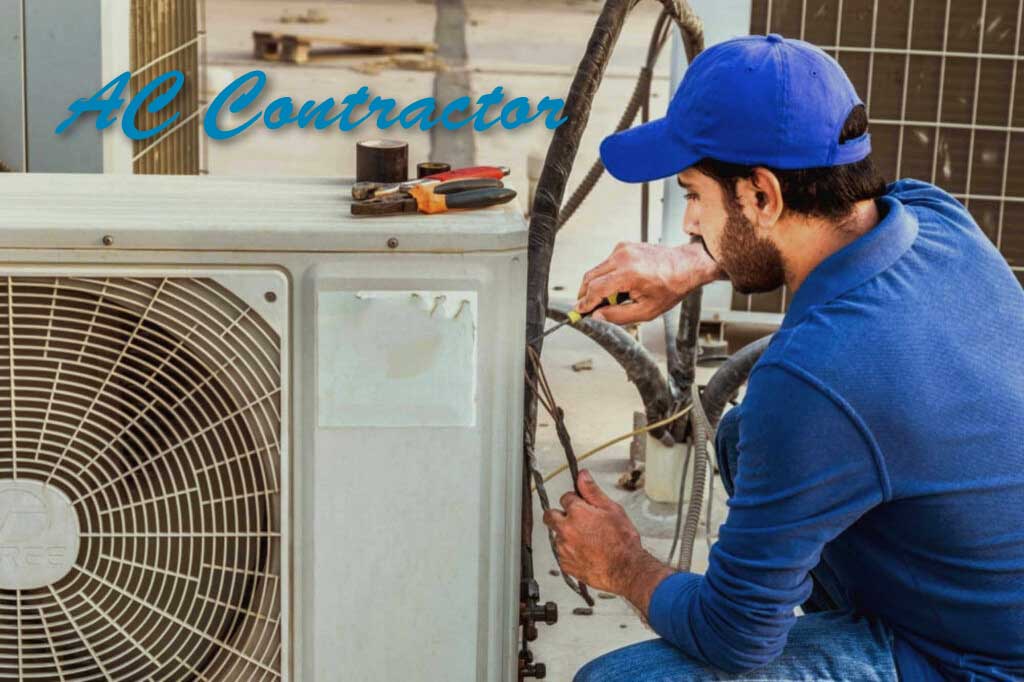
If and when these things happen, you want a trusted air conditioning technician on your side. But just like everywhere else, the HVAC industry is a crowded marketplace. How do you hire the best air conditioning contractor?
Air conditioning services such as repair, replacement, and maintenance are costly, so you definitely want to get your money’s worth and ensure the same AC problem won’t pop up every so often. That means you want an air conditioning contractor who can do it rightーonce.
Here are a few tips to help you find a great AC contractor.
Find a legitimate company that checks all legal requirements and industry certifications. The company should be experts in HVAC with a proven track record. A trusted contractor will cost you more than fly-by-night ones, but it will also give you peace of mind.
A great AC contractor knows quality matters and trusts only quality brands. Using substandard brands may save you money upfront, but an excellent contractor who cares about his clients knows that using anything substandard is doing his client a disservice.
Customer satisfaction is not all about how quickly service is rendered or how cheap the service is. A good contractor provides long-term solutions that are more cost-effective in the long run.
Ask around for recommendations
This one is a no-brainer. Ask friends and family members who they call for their own HVAC home services. People are always eager to offer their advice. If you pay attention, you’ll find out which contractors are not worth your time and your dime.
Don’t skip reading online reviews too. A company’s online review page, if there is one, is a fountain of information that you should use to your advantage. People have different experiences and different opinions. It’s helpful to learn how a certain company deals with different challenges.
Call customer service and ask the tough questions
Don’t be shy to call a company’s customer service line and ask about all the job-specific questions you can think of. Good customer service happens way before you start paying someone money and never ends, even after the job is done.
If anything happens after a repair, a great AC contractor will cater to you, even prioritize you, for customer satisfaction. Therefore, ask about the company’s policies and get a feel of their customer service.
An air conditioning system is a huge investment. The right HVAC company knows that and will take care of your investment, ensuring you get to enjoy it for a long time. Also, the right company knows an air conditioning system is not just a piece of equipment. It is an instrument necessary to give you and your family quality indoor air.
Once you find the right air conditioning contractor for you, hang on to them. Build a lasting relationship based on mutual trust and respect.
While there are HVAC issues that you can proactively prevent or avoid, some things are just beyond your control, such as power or electrical surges.
Electrical or power surges are sudden spikes in voltage traveling from main power grids into your home’s electrical lines. These surges happen so fast without warning, leaving homeowners no time for protective countermeasures like shutting off power in the house until power is back to normal.
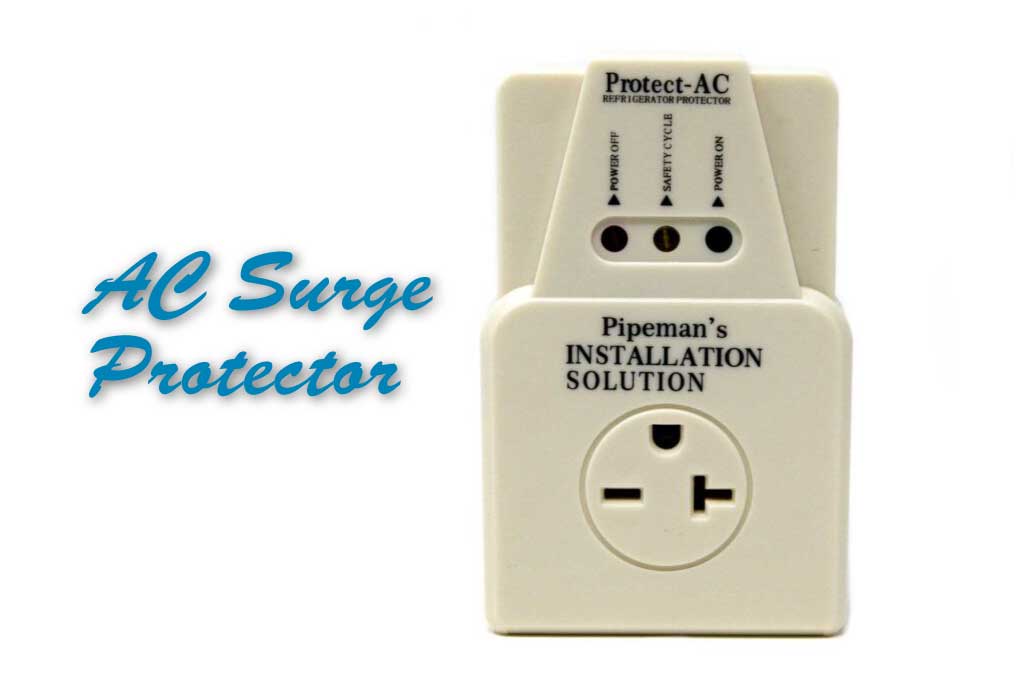
This lack of control necessitates surge protectors to protect power systems and home appliances. With surge protection in place, the electrical spike is diverted or stopped altogether, protecting from potentially irreversible damages to the equipment connected to the electrical system, such as the cooling equipment.
Why Do You Need An AC Surge Protector?
The air conditioning system is one of the most expensive pieces of equipment you will ever need to make your home comfortable. Modern AC units have sensitive circuit boards, microprocessors, and system compressors that are not cheap.
You don’t invest in air conditioning once. You pay for regular maintenance, repair, and replacement services and these can be costly too. It makes perfect sense then to ensure that your air conditioning system is protected against damaging spikes in power output.
A surge protector diverts high power surges away from your cooling system, saving it from damage. A surge protector also acts as insurance for your air conditioning system. Power surges are not covered by insurance or warranty, so a preventive measure, such as the surge protector, goes a long way to prevent unexpected HVAC expenses.
What Causes Electrical Surges?
There are external and internal electrical surges, which are both damaging to your air conditioner.
Lightning Storms
A lightning bolt is so powerful that it doesn’t have to be in your immediate vicinity to affect your power supply. A lightning bolt can generate one billion joules of electricity and travel as far as 10 miles.
Lighting can also directly strike towers and line conductors. A sudden increase in a power outage can fry electronics, including some of your AC’s components like the circuit boards.
Fallen Electrical Lines
Fallen electrical or power lines can cause power interruptions, brownouts, and spikes in electrical energy. Fall lines are usually due to bad weather, repair errors, accidents, etc.
Internal Causes
There are external and internal causes of power surges. Electrical overload, for instance, is an example of an internal cause. Electrical overloads happen when you attempt to draw too much power from a single circuit.
This can happen when you use an appliance above the circuit’s amperage levels, overuse extension cords, or plugin too many appliances into one power source. The overwhelmed circuit may receive a massive surge in current due to the excessive power being drawn.
Sometimes the cause of electrical spikes is difficult to pin down, but the bottom line remains the same: power surges are bad for your air conditioning system. An Air Care air conditioning surge protector helps prevent devastating loss or equipment damages. The sooner you get one, the better off your AC unit.
How Does An AC Surge Protector Work?
An AC surge protector protects the air conditioning system from electrical or power surges. A power surge is a sudden increase of voltage. If the voltage from the outlet surges or spikesㅡ meaning, rises above the accepted levelㅡthe surge protector redirects the extra power into the outlet’s grounding wire.
How To Prevent AC Power Surges
Aside from installing an AC surge protector, ask a pro to check your home’s wiring as well as your AC’s connection lines. Poorly installed connections, damaged wiring, and circuit breaker issues can contribute or cause a power surge.
During a storm, electronics must be unplugged or disconnected from the power supply. Other than an AC surge protector, our reliable technicians at Air Care Cooling & Heating LLC can also help you keep your house and your HVAC system secured.
For the protection of your air conditioning system and for your own peace of mind, call us for an appointment and one of our professional HVAC technicians will help set up your own AC surge protector.
Contact any of our offices in Phoenix, Mesa, Gilbert, Chandler, and nearby areas in the Valley of the Sun.